Profitable Digital Businesses: Learn About the Main Models and Discover Which One Could Be Yours
Today, digital businesses are emerging as cutting-edge models, redefining the way we think about commerce and entrepreneurship. Their growing importance is not just a passing trend, but a fundamental evolution in the way business is done in the modern era. The shift toward digital

Today, digital businesses are emerging as cutting-edge models, redefining the way we think about commerce and entrepreneurship. Their growing importance is not just a passing trend, but a fundamental evolution in the way business is done in the modern era. The shift toward digital is driven by technological progress, changing consumer habits, and the need for adaptability in an increasingly connected world.
Getting started in any of them represents a wide range of opportunities and advantages. From the ability to reach a global audience to the flexibility of operating from anywhere, profitable digital businesses open the door to a field of almost limitless possibilities. In addition, lower startup costs compared with traditional businesses make online entrepreneurship an attractive option for many. Whether you are an experienced entrepreneur or someone just starting out, online businesses offer fertile ground for innovation, creativity, and growth.
On this occasion, we will explore the various online business models, from the most established to the emerging ones, and discuss the key strategies for success. Whether you are considering affiliate marketing, dropshipping, digital content creation, or any other model, we will provide a detailed guide to help you make informed decisions and build a thriving online business.
What are profitable digital businesses?
Profitable digital businesses represent the intersection of technological innovation and economic viability. These are businesses that operate primarily through digital platforms, using the Internet as their main channel for operations and marketing, along with a computer.
Their definition covers a wide range of activities, from selling products and services online to creating digital content and developing software.
Characteristics of digital businesses
- Global accessibility: Digital businesses have the potential to reach customers around the world, overcoming the geographic limitations of traditional businesses.
- Low operating costs: They often require less initial capital and lower operating costs compared with physical businesses, due to the reduction or elimination of expenses such as physical space rent or inventory costs.
- Flexibility and scalability: They offer greater flexibility in terms of working hours and business scalability. They can adapt quickly to changing market demands and expand without the physical constraints of a traditional business, creating room for financial independence.
- Customer focus: Digital interaction enables a more personalized approach to the customer, offering opportunities to customize services and products.

Main digital business models
1. Affiliate marketing and affiliate websites: Ideal for beginners
Affiliate marketing is an online business model in which affiliates earn commissions by promoting third-party products or services. It is a performance-based strategy, where affiliates are compensated for specific actions taken by the traffic they send to the advertiser, such as sales, clicks, or sign-ups. Here are some key features of affiliate marketing:
- Performance-based: Affiliates are paid based on their performance, usually through sales or specific actions generated by their affiliate links.
- Low initial investment: It does not require large investments to get started, making it accessible to a wide range of people.
- Flexibility: Affiliates have the freedom to work from anywhere, choosing the products they want to promote and how they want to do it.
- Diversity of products and services: They can promote a wide variety of products or services, choosing those that best fit their niche and audience.
- Use of unique affiliate links: These links allow sales or actions to be tracked, ensuring that affiliates receive the commission they are due.
- Importance of content: Success in affiliate marketing often depends on creating high-quality content that attracts and retains an audience.
- Use of multiple marketing channels: In addition to websites and blogs, affiliates can use social media, email marketing, and other strategies to promote their links.
Affiliate marketing is ideal for those looking to generate passive income and who have skills in content creation and digital marketing. Its success depends largely on the ability to attract and engage a specific audience.

2. Affiliate business with Adsense: How to combine affiliate programs with Adsense to monetize websites and blogs
Affiliate programs with Adsense is a hybrid strategy that combines two popular website and blog monetization methods: affiliate marketing and advertising through Google Adsense. This combination leverages the strengths of both approaches to maximize a website’s potential revenue. Let’s see how it works: programas de afiliados con Adsense es una estrategia híbrida que incorpora dos métodos populares de monetización de sitios web y blogs: el marketing de afiliados y la publicidad a través de Google Adsense. Esta combinación aprovecha las ventajas de ambos enfoques para maximizar los ingresos potenciales de un sitio web. Veamos cómo funciona:
Google Adsense: Provides a way to earn money through automatic contextual ads placed on the website. The ads are managed by Google and are tailored to the site’s content and users’ interests, generating income each time a visitor interacts with them, whether through clicks or views.
Affiliate marketing: Consists of promoting products or services from other companies by inserting specific links into the site’s content. When a site visitor makes a purchase or completes a certain action through these links, the site owner receives a commission.
By integrating both methods, a diversified monetization model is created that can improve the site’s overall profitability. Adsense ads provide steady income, while affiliate marketing can generate larger but less predictable commissions.
The key to success in this model is maintaining the right balance between ads and affiliate links, ensuring that the content remains relevant and valuable to the audience, and that the user experience is not harmed by too much advertising or too many promotions.

3. Dropshipping
The dropshipping business model is an e-commerce method that allows entrepreneurs to sell products to customers without having to physically store the items. In dropshipping, when a sale is made, the product is shipped directly from the supplier to the end customer, eliminating the need to handle traditional inventory.
In online stores, although the store owner may choose to keep their own inventory, they also have the option to operate using the dropshipping model. Some of its most notable aspects focus on:
- Low initial investment in dropshipping: In dropshipping, you do not need to invest in product inventory upfront. This significantly reduces the initial capital needed to start the business, since you only buy the product after a customer has made a purchase.
- Reduced inventory management: In this model, inventory and shipping logistics are handled by dropshipping suppliers. This eliminates the need for your own storage space and simplifies the business’s operational management.
- Flexibility in product selection: Both in dropshipping and online stores, you have the flexibility to choose and change your product range easily, allowing you to adapt quickly to market trends and consumer demand.
- Remote operation and management: Both models allow you to manage your business entirely online, which means you can operate from anywhere in the world. As a result, it offers great flexibility and the possibility of reaching a broad global audience.
All these characteristics make dropshipping and online stores attractive to a wide range of entrepreneurs, from beginners looking to enter the market with a low investment to experienced business owners who want to expand their reach in e-commerce.

4. Ecommerce
E-commerce, or ecommerce, is a business model that allows the buying and selling of goods and services over the Internet, combining technology, business processes, and digital marketing strategies to create a complete shopping experience. This model has revolutionized traditional commerce, making transactions faster and more convenient for both sellers and buyers.
Its exponential growth is due to its ability to adapt to changing market demands and the constant evolution of technology, allowing businesses to reach a broader market beyond geographic limitations. In addition, ecommerce integrates various aspects of online commerce, including online marketing, electronic transaction processing, supply chain management, and user data collection to improve the shopping experience.
Key features of ecommerce:
- Global access: Ecommerce breaks down geographic barriers, allowing businesses to reach a global audience. Online stores can be accessible to customers anywhere in the world, significantly increasing market reach.
- 24/7 operation: Unlike traditional physical stores, ecommerce stores can operate 24 hours a day, 7 days a week. This means customers can make purchases at any time, which is convenient for them and increases sales opportunities for the business.
- Low operating costs: Compared with traditional commerce, ecommerce generally requires less investment in physical infrastructure. There is no need for a physical store, and many operations can be automated under standard operating procedures, reducing labor costs.
- Personalization and data analysis: It allows advanced personalization for users and gives business owners access to valuable data about customer behavior. For example, it can include information about shopping habits, preferences, and browsing patterns, enabling businesses to tailor their offering and marketing strategy more effectively.
- Variety of ecommerce platforms: One of the highlights is the availability of multiple platforms that make it easier to create and manage online stores. Platforms such as Shopify, WooCommerce, Magento, and BigCommerce offer a range of tools and features tailored to different business needs. From solutions for small businesses to robust options for large corporations, they provide a foundation for developing a customized ecommerce site, integrating payment systems, managing inventory, and processing orders, all with relative ease and efficiency. The choice of the right platform depends on the size of the business, the budget, the available technical skills, and the specific needs of the market.
For all these reasons, ecommerce offers a flexible and scalable platform for businesses, adapting to a variety of models and company sizes, from small startups to large corporations. With the continued evolution of technology and changing consumer habits, ecommerce has established itself as a crucial part of the modern business landscape.

5. Amazon FBA and FBM: How these business models work on Amazon
The Amazon FBA (Fulfillment by Amazon) and FBM (Fulfillment by Merchant) business models are two different approaches sellers can use to sell products on the Amazon platform.
Amazon FBA (Fulfillment by Amazon)
- Storage and shipping by Amazon: In FBA, sellers send their products to Amazon’s warehouses. Amazon takes care of storing, packing, and shipping the products to customers. In addition, it provides customer service and handles returns for these products.
- Greater convenience and reach: FBA is ideal for sellers who prefer not to handle shipping logistics and customer support. By using FBA, products are often eligible for Amazon Prime, which can increase their visibility and appeal to Prime customers.
- Associated costs: The FBA service comes with specific fees, including storage and fulfillment fees. These fees vary depending on the size and weight of the products.
- Inventory management: Sellers must keep accurate track of their inventory in Amazon’s warehouses to avoid overstock or stockout charges.
Amazon FBM (Fulfillment by Merchant)
- Full control over shipping and logistics: In FBM, the seller is responsible for storing, packing, and shipping products directly to customers. They also handle customer service and returns for their products.
- Lower upfront costs: FBM can be more economical for sellers who already have their storage and shipping logistics in place and can manage these processes efficiently.
- Flexibility in inventory management: FBM sellers have more control over their inventory, which can be beneficial for products with irregular demand or those that require special handling.
- Order fulfillment requirements: FBM sellers must meet Amazon’s customer service standards, including shipping deadlines and customer support, which can be a challenge for some sellers.
Both models, FBA and FBM, offer unique advantages and suit different types of businesses and selling strategies on Amazon whose focus is on providing the best solutions to the customer and getting the best reviews on Amazon. The choice between FBA and FBM depends on several factors, including costs, sales volume, the seller’s logistics capacity, and preferences in inventory management and order fulfillment.

6. Arbitrage: Online arbitrage and retail arbitrage
Arbitrage, both in its online and retail forms, is a business model based on buying products at a low price in one market and later selling them in another market at a higher price. This practice takes advantage of price differences between different markets or platforms to generate profits. It is a model that has become especially popular in e-commerce, but it is also applied in traditional retail.
In online arbitrage, entrepreneurs look for buying opportunities on e-commerce platforms, second-hand marketplaces, or directly from manufacturers or wholesalers at reduced prices. Then, these products are sold in other digital marketplaces, such as Amazon, eBay, or even through their own online stores, where they can fetch a higher price due to demand, scarcity, or simply the difference in how the product’s value is perceived.
In retail arbitrage, the process is similar, but it involves buying products in physical stores, such as outlets, discount stores, or during clearance sales, and then selling them in markets where higher prices can be obtained. Likewise, it often involves reselling on online platforms, but it can also include selling in different physical stores.

Key features of online and retail arbitrage
- Identifying price opportunities: One of the key skills in arbitrage is the ability to quickly identify significant price differences for the same products across different platforms or markets, such as online stores, second-hand marketplaces, retail stores, or even between countries.
- Buying at reduced prices: Success in arbitrage involves buying products at low prices, usually found through deals, clearance sales, second-hand sales, or in markets where products are undervalued.
- Reselling in higher-priced markets: After acquiring the products, you resell them in markets or platforms where they can reach a higher price. This can include ecommerce platforms such as Amazon, eBay, or even physical stores in the case of retail arbitrage.
- Logistics and shipping management: Arbitrage requires efficient logistics management, especially in online arbitrage, where you must handle shipping products to end buyers. For example, inventory handling, packing and shipping, and sometimes return management.
Arbitrage can be a lucrative strategy, but it requires research, market knowledge, and good logistics management to identify and take advantage of pricing opportunities. In addition, it is important to stay aware of the policies of different selling platforms to avoid violations or restrictions.

7. Wholesale or wholesale selling
The wholesale business model is a traditional form of commerce in which products are bought in large quantities at a reduced price and then sold to retailers or other businesses, rather than directly to the end consumer. This model is a crucial component in the supply and distribution chain of many industrial sectors.
It focuses on selling goods in large volumes, which generally involves business-to-business transactions. Wholesalers act as intermediaries between manufacturers and retailers or between manufacturers and other distributors. By buying large quantities, wholesalers obtain products at a lower cost, allowing them to offer lower prices to retailers or distributors, who in turn sell the products to end consumers.
Key features of the wholesale model
- Large volumes and lower prices: Wholesalers benefit from economies of scale, buying large quantities of products, which allows them to obtain significantly lower prices per unit.
- B2B relationships (Business-to-Business): Wholesalers generally operate in a B2B market, selling to businesses and retailers rather than directly to individual consumers.
- Inventory and logistics management: Efficient inventory management and strong logistics are essential in the wholesale model, given the volume of products handled and the need to distribute them to customers on time.
- Focus on long-term relationships: Success in wholesale often depends on building and maintaining long-term relationships with suppliers and customers, ensuring stability and reliability in the supply chain.
This business model is ideal for those who have the capacity to handle large quantities of products and want to establish long-term business relationships in the B2B sector. Although ecommerce and direct-to-consumer sales models have gained popularity, wholesale remains an essential method for product distribution worldwide.

8. Software as a Service (SaaS): Development and marketing of subscription-based software
Software as a Service (SaaS) is a business model in which software is offered as a subscription-based service over the Internet. Instead of buying and owning software, users access and use software hosted in the cloud, usually through a web browser, paying a recurring fee. This model has transformed the way businesses and consumers use and access software, offering more flexible and scalable solutions.
Key features of the SaaS model
- Accessibility and convenience: SaaS removes the need to install and run applications on individual systems. Users can access the software and its features from anywhere at any time, as long as they have an Internet connection.
- Pay-as-you-go model: Users generally pay a subscription fee, which can be monthly or annual, to access the software. It allows businesses to adjust their costs according to usage and need, rather than making large upfront investments in software.
- Centralized updates and maintenance: SaaS providers handle all software updates and maintenance, ensuring that all users have access to the latest version and new features without any additional effort or hidden costs.
- Scalability and customization: SaaS offers great scalability, allowing users to scale service usage according to changing business needs. In addition, many SaaS services offer customization options to adapt the software to specific user requirements.
The SaaS model is widely used in various business applications, such as customer relationship management (CRM), enterprise resource planning (ERP), accounting, team collaboration, and much more. Its flexibility, cost efficiency, and ease of use make it ideal for businesses of all sizes, from startups to large corporations.

9. Digital content: Publishing ebooks, monetizing blogs, and creating YouTube channels and podcasts
The digital content business model covers the creation, publication, and monetization of various types of digital content, such as ebooks, blogs, YouTube channels, and podcasts, all of which are highly accessible from any computer. It is a model that has become a very popular and accessible way to generate income online, allowing individual creators and businesses to reach a global audience at a relatively low cost.
It is based on creating engaging and valuable content in different formats and distributing it through digital platforms. Digital content creators can range from individual bloggers to large publishers, and the content can vary from informative and educational texts to entertainment and multimedia content.
Key features of the digital content model
- Diversity of formats: It includes a variety of formats such as written text (blogs, articles, ebooks), video (YouTube channels), and audio (podcasts). This diversity allows creators to reach different audiences and take advantage of multiple distribution channels.
- Low entry and production costs: Unlike traditional publishing and distribution models, digital content can be created and distributed with a relatively low initial investment, using accessible online tools and platforms.
- Versatile monetization: Digital content creators can monetize their work in various ways, such as direct ebook sales, advertising revenue on blogs and YouTube channels, sponsorships, memberships, or crowdfunding for podcasts.
- Global reach and specific niches: Digital content allows creators to reach a global audience as well as focus on specific market niches. This translates into opportunities to connect with highly interested communities around particular topics.
This is a model especially attractive to independent creators and small businesses because of its flexibility, low entry cost, and potential for global reach. The key to success lies in the ability to produce relevant and engaging content that resonates with a specific audience and in implementing effective monetization strategies.

Profit and loss analysis in each of the businesses mentioned
1. Affiliate marketing n
In affiliate marketing, income usually comes from sales commissions and, in some cases, from clicks or lead generation. Commissions vary depending on the agreement with the advertiser and the product promoted. Costs include content creation, marketing, website operating expenses, and possible affiliate fees.
Losses can occur due to initial investments without return, excessive operating costs, or poorly targeted advertising expenses. Profitability depends on the ability to attract quality traffic and convert it into actual sales, requiring careful resource management and constant adaptation to market trends.
2. Affiliate business with Adsense
In the Affiliate with Adsense model, income is generated from both affiliate commissions and Adsense ads on the website. Affiliate commissions come from sales or actions completed through specific links, while Adsense revenue is based on ad clicks.
Costs include website development and maintenance, content creation, and marketing investment. Losses can occur if these expenses do not translate into sufficient traffic or effective interactions with ads and links. Profitability depends on an effective SEO strategy, relevant content, and ad management, adjusting to market trends and campaign performance.

3. Dropshipping
In this model, income is generated mainly through product sales, and for that it is important to consider a dropshipping pricing strategy. In dropshipping, you buy from suppliers at a lower price and sell to end consumers, while in online stores, income comes from the direct sale of products kept in inventory.
Costs in both models include investment in the online store platform, marketing and advertising, and in the case of dropshipping, commissions or fees paid to suppliers. In traditional online stores, you must also consider the costs of acquiring and maintaining inventory.
Losses can arise from initial investments in stock that does not sell (in online stores) or from negative cash flow due to excessive advertising and promotion expenses. Success in these models depends on effective inventory management, an efficient marketing strategy, and the ability to maintain a healthy profit margin between acquisition cost and selling price.
4. Ecommerce
In the ecommerce business model, income is generated through the sale of products or services online. Revenue depends on sales volume, product pricing, and the effectiveness of digital marketing strategies. Costs involve creating and maintaining the ecommerce platform, inventory acquisition (for those not using the dropshipping model), digital marketing, shipping logistics, and possibly customer service.
Losses can occur due to investments in inventory that does not sell, marketing expenses that do not generate an adequate return, or inefficient management that leads to high operating costs. Profitability in ecommerce requires careful product selection, efficient supply chain and logistics management, and marketing strategies that attract and retain customers effectively.

5. Amazon FBA and FBM
In the Amazon FBA and FBM models, operational efficiency and pricing strategy are crucial for profitability. With FBA, although Amazon’s fees may be higher, sellers benefit from Amazon’s powerful logistics system and exposure to a broad customer base. This can mean faster and higher sales, which offsets the fees. On the other hand, FBM offers more control over costs and inventory management, which can be more profitable for products with higher margins or for sellers with efficient logistics systems.
The choice between FBA and FBM may also depend on the type of products sold, sales volume, and the ability to handle logistics processes efficiently. While FBA may be ideal for sellers looking to simplify operations and leverage Amazon’s infrastructure, FBM may be preferable for those who want greater control and have the capacity to manage logistics and customer service effectively.
In both cases, a deep understanding of the market, continuous optimization of product listings, and a competitive pricing strategy are essential for long-term success.
6. Arbitrage: Online arbitrage and retail arbitrage
In arbitrage, both online and retail, income is generated by selling products bought at a low price in one market at a higher price in another. The main costs include the purchase price of the products, shipping expenses, and logistics.
Losses can occur if products do not sell at the expected price, if logistics costs are high, or due to unforeseen market changes that affect product value. Effectiveness in this model depends on accurate market research, efficient logistics management, and the ability to quickly identify and act on price-difference opportunities.

7. Whosale
In the wholesale model, income is generated mainly from selling products in large quantities to retailers or distributors at lower prices per unit, earning profits through sales volume. Costs involve inventory acquisition, storage, logistics, and marketing.
Losses can arise from inefficient inventory management, fluctuations in purchase prices, or changes in market demand that affect profit margins. Profitability in wholesale depends on effective inventory management, negotiation skills to reduce purchase costs, and maintaining strong relationships with a stable network of buyers.
8. Software as a Service (SaaS)
In the Software as a Service (SaaS) business model, income comes mainly from user subscriptions to the software solutions offered. The recurring revenue stream is based on periodic subscription fees, which may vary depending on the service level or features offered. The main costs in SaaS include software development and maintenance, cloud hosting infrastructure, technical support, and constant software updates. In addition, marketing and sales expenses to acquire and retain customers are significant.
Losses can arise from a high initial investment in software development that is not offset by enough subscriptions, or if customer acquisition and retention costs exceed the revenue generated. Profitability in SaaS is achieved through a balance between acquiring customers efficiently, keeping operating costs low, and offering software that generates strong demand and user retention.

9. Digital content
In the digital content business model, which includes publishing ebooks, monetizing blogs, and creating YouTube channels and podcasts, or educational and training content, income is generated mainly through sales, advertising, sponsorships, and, in some cases, subscriptions or donations.
Digital content creators make money by selling ebooks, earning advertising revenue from blogs and videos, receiving sponsorships for their podcasts or channels, and through subscription platforms such as Patreon.
Costs include content production, which can range from writing and design costs for ebooks to equipment and editing for videos and podcasts. They may also incur marketing and promotion costs to grow their audience.
Losses can arise when production and marketing expenses exceed the revenue generated. In this model, the key to profitability is creating attractive, high-quality content that builds a loyal following while keeping costs under control and maximizing income opportunities through multiple sources.
Growth opportunities and cost reduction in each profitable online business
1. Affiliate marketing
In affiliate marketing, growth opportunities and cost reduction focus on optimizing marketing strategies and operational efficiency to increase the value of the online business. Growth can be achieved by expanding the range of affiliate products, diversifying promotional platforms, and improving content quality to attract and retain a broader audience. Using data analytics to identify trends and adjust marketing strategies can also drive significant growth.
As for cost reduction, it can be achieved through process automation, such as using digital marketing tools to manage and optimize campaigns, and creating evergreen content that requires less updating. Efficiency in SEO and targeted marketing campaigns also helps reduce unnecessary expenses, maximizing return on investment.

2. Affiliate business with Adsense
In the Affiliate with Adsense business, growth opportunities lie in expanding content reach and optimizing the affiliate and Adsense strategy. Growth can be achieved by broadening the audience through content diversification and exploring new niches or markets. Improving content quality and relevance can increase both affiliate commissions and Adsense revenue.
As for cost reduction, it is key to optimize advertising campaigns and SEO to attract high-quality organic traffic, thereby reducing dependence on and spending for paid advertising. Using analytics tools to understand user behavior and adjust content and advertising approaches can also increase efficiency and lower operating costs.
3. Dropshipping and online stores
In the dropshipping and online store model, growth opportunities include expanding the product catalog, exploring new market niches, and improving the efficiency of digital marketing strategies to attract more customers. Building partnerships with reliable suppliers and diversifying supply sources can also contribute to growth. Cost reduction can be achieved by optimizing the supply chain, negotiating better terms with suppliers, and using automation tools for sales and marketing processes.
In addition, implementing organic marketing strategies such as SEO, content marketing, and effective use of social media can reduce dependence on and spending for paid advertising. In dropshipping, carefully selecting products with a good balance of demand and profit margin is crucial to keeping costs low and increasing profits.

4. Ecommerce
In ecommerce, growth opportunities are found in expanding and diversifying the product catalog, exploring new market niches, and improving the customer experience to encourage loyalty and increase repeat sales. Adopting emerging technologies such as artificial intelligence to personalize product recommendations and improve logistics can also drive growth.
To reduce costs, the supply chain can be optimized, suppliers can be negotiated with to obtain better prices, and data analytics can be used to improve inventory efficiency and avoid overstock. Implementing effective digital marketing strategies such as SEO and content marketing can reduce reliance on expensive paid advertising, while using social media platforms and email marketing can increase reach cost-effectively.
5. Amazon FBA and FBM
In the Amazon FBA and FBM models, growth opportunities include expanding the product range, exploring less saturated market niches, and improving marketing and SEO strategies to increase visibility and sales. In FBA, leveraging Amazon’s reach and logistics can drive rapid growth, while in FBM, personalized service and direct customer management can create a competitive advantage.
To reduce costs, in FBA it is crucial to optimize inventory management to avoid high storage fees, and in FBM, to improve logistics efficiency and negotiate better shipping rates. Both models benefit from careful product selection with high demand and good profit margins, as well as an efficient advertising strategy to maximize return on investment.

6. Online arbitrage and retail arbitrage
In online and retail arbitrage models, growth opportunities lie in identifying and capitalizing on price differences across a wider range of products and markets, as well as expanding sales platforms to reach a more diverse audience. The key to growth is agility in adapting to market trends and the ability to quickly spot profitable pricing opportunities.
To reduce costs, it is essential to improve logistics and shipping efficiency, and to negotiate better purchase prices when buying products in volume. Automating price search and comparison can also help reduce the time and effort involved, increasing the overall efficiency of the arbitrage process. Careful inventory management to avoid overstock and strategic selection of fast-moving, in-demand products are fundamental to keeping costs low and maximizing profits.
7. Wholesale
In wholesale, growth opportunities focus on expanding the customer base, exploring new markets and niches, and increasing the variety of products offered. Building strong relationships with suppliers to access high-demand and exclusive products can also drive growth. To reduce costs, it is key to negotiate lower purchase prices through volume buying and optimize the supply chain and logistics to minimize operating expenses.
Implementing technologies to automate ordering and inventory management processes can improve efficiency and reduce labor and management costs. In addition, understanding and adapting to consumer trends can help avoid excess inventory and keep product flow aligned with market demand.

8. Software as a Service (SaaS)
In the Software as a Service (SaaS) model, growth opportunities lie in the continuous expansion of the software feature set, entering new markets and customer segments, and establishing strategic partnerships to broaden reach.
Constant innovation and adaptation to changing user needs are crucial to maintaining the product’s relevance and appeal. To reduce costs, optimizing cloud infrastructure and improving software development efficiency are essential, including adopting agile development practices and automation.
Implementing effective digital marketing strategies and using data analytics to make informed decisions can also help reduce customer acquisition costs and improve retention. In addition, efficient customer support management and leveraging self-service models can reduce operating costs while maintaining high customer satisfaction.
9. Digital content
In the digital content space, which includes ebooks, blogs, YouTube channels and podcasts, and educational content, growth opportunities include diversifying and expanding the content offered, exploring new topics or niches, and growing the audience through marketing tactics and collaborations. Monetization can be increased by adopting multiple revenue streams, such as advertising, sponsorships, direct sales, and subscriptions.
To reduce costs, it is essential to optimize content production, such as using efficient editing tools and adopting evergreen content strategies that require less frequent updates. In addition, boosting organic traffic through SEO and social media can reduce dependence on and spending for paid advertising. Efficiency in time and resource management for content creation and effective monetization are key to maximizing profits in this sector.

The importance of understanding profitability and financial sustainability in digital businesses
The importance of understanding profitability and financial sustainability in profitable online businesses cannot be overstated, especially in an environment where technology and market trends evolve rapidly. These are decisive concepts not only for measuring the current success of a digital business, but also for ensuring its long-term viability and growth. In the digital era, characterized by rapid innovation and intense competition, businesses must be agile and strategically focused to thrive.
A deep understanding of profitability allows entrepreneurs to effectively assess how their decisions affect the bottom line. It is not just about generating revenue, but about maximizing profits while keeping costs under control. On the other hand, financial sustainability means the business’s ability to remain economically viable over time, withstanding challenges and taking advantage of opportunities in a dynamic market.
Integrating profitability and financial sustainability into the planning and strategy of a digital business is essential for informed decision-making, effective risk management, and ensuring continuous and responsible growth. This comprehensive approach is vital not only for the business’s survival in the short term, but also for its future success and expansion.

How to identify and capitalize on growth opportunities within profitable digital business models
Identifying and capitalizing on growth opportunities in business requires a combination of market analysis, innovation, and strategy, for which there are analysis tools such as SWOT analysis that allow informed decisions to be made and the business to be weighed up. Here are some generic key guidelines for approaching this process that you can do from your computer:
- Analysis of market trends and data: For all these businesses, it is essential to carry out a detailed analysis of market trends and consumer behavior, and it is also important to ask the right questions when buying an online business. Data analysis tools can reveal buying patterns, customer preferences, and areas of potential growth. For example, in affiliate marketing and digital content, this may mean identifying topics or products that are gaining popularity.
- Innovation in products and services: In models such as SaaS and ecommerce, constant innovation in the product or service offering is key to staying competitive and relevant. This may involve developing new features, improving the user interface, or expanding into new market niches.
- Expansion into new markets: For businesses such as Amazon FBA/FBM and wholesale, exploring new geographic or demographic markets can be a crucial growth path. Doing so may require adjustments in the marketing strategy or in the product offering itself to meet specific local needs.
- Process optimization: Operational efficiency is vital in models such as dropshipping and wholesale, where supply chain and logistics management are fundamental. Automation and process improvement can reduce costs and improve the customer experience.
- Development of strategic partnerships: In SaaS and digital content, partnerships with other companies or influencers can open new marketing and distribution channels. These alliances can expand market reach and bring new perspectives to the business.
- Effective digital marketing strategies: Using digital marketing tactics, including SEO, social media marketing, and email marketing, is crucial to attracting and retaining customers in all these business models. A well-executed marketing strategy can significantly increase visibility and sales.
- Revenue diversification: Especially in affiliate marketing and digital content, diversifying income streams can be an effective growth strategy. This involves exploring different platforms, adopting subscription models, or integrating advertising and sponsorships.
- Listening to and adapting to customer feedback: Customer feedback is invaluable for all these business models. It can provide ideas for new features, products, services, or improvements in the user experience.
- Staying agile and adaptable: Given the dynamic nature of digital businesses, it is essential to keep an open mindset and be prepared to adapt quickly to changes in the market and technology, whose lessons are never-ending.
Each of these digital business models presents unique growth opportunities that, if properly identified and leveraged, can lead to significant and sustainable long-term success.

Below, we explain how we audit digital businesses at Moaflip and which aspects we take into account when evaluating their profitability and growth.
How do we value the profitability of an online business at Moaflip?
The valuation of a profitable online business is a multifaceted process that involves analyzing several financial and operational aspects. Here we detail how we assess all these elements:
- Sales: Sales are a direct indicator of business performance. They are evaluated not only in terms of total volume, but also in terms of year-over-year growth and the stability of revenue sources.
- Traffic: In the online context, website or app traffic is crucial. Both the quantity (number of visitors) and the quality (conversion rate, average time on page) of traffic are analyzed. High traffic with a good conversion rate is indicative of a healthy business.
- Operations: This includes the efficiency and effectiveness of daily operations. Aspects such as fulfillment processes, customer service, logistics, and inventory management are considered.
- Assets included in the sale: If the business is being evaluated for a sale, it is important to consider the assets included, such as technology, inventory, and intellectual property. Assets can add significant value to the business.
- Sale multiple: The sale multiple, based on metrics such as revenue or EBITDA (earnings before interest, taxes, depreciation, and amortization), helps determine the business’s market value. Multiples can vary depending on the industry and business model.
- Risks: Potential risks, such as dependence on a small number of customers, vulnerability to changes in third-party platform policies (such as Google or Amazon), and competitive intensity, must be assessed, as they can affect long-term sustainability.
- Opportunities: Growth opportunities should be considered, such as expansion into new markets, development of new products or services, and the potential to scale existing operations.
- Gross and net profits: Gross profits show the profitability of products or services before operating expenses, while net profits provide a view of profitability after all expenses, offering a comprehensive measure of financial efficiency.
- Analysis of operating duration and profitability: Evaluating how long the business has been profitable and the consistency of that profitability is vital to understanding its long-term viability and stability.
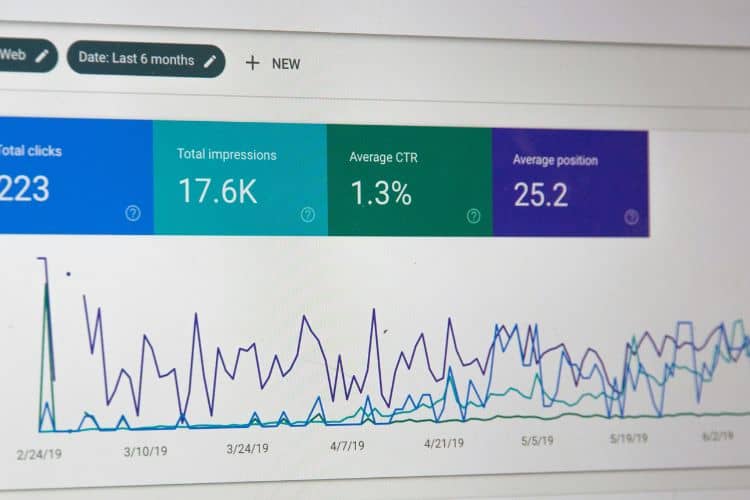
By evaluating these factors together, a complete understanding of the financial health, sustainability, and growth potential of an online business is obtained. That is why a comprehensive evaluation is crucial both for internal management and for potential investors or buyers.
Conclusion: Choose your digital business model with Moaflip
The conclusion of our analysis of investing in digital businesses leads us to recognize that, in today’s dynamic environment, they represent an attractive and potentially lucrative investment option. The digitalization of business has opened the door to opportunities for accelerated growth, global accessibility, and more efficient operations, aspects that are difficult to match in the realm of traditional businesses.
The key to success in digital investment lies in a deep understanding of market trends, adaptability to rapid changes, and the ability to take advantage of emerging technologies. Investing in digital businesses not only offers the potential for significant financial returns, but also provides the flexibility to operate from anywhere, opening the path to greater personal and financial freedom and autonomy.
In addition, it is essential to recognize that, although digital businesses offer numerous advantages, they require due diligence and a carefully planned strategy. Investors must be prepared to navigate a landscape where innovation is constant and competition is fierce. Understanding key performance indicators, such as gross and net profits, and effective cash flow management are vital to maintaining the financial health and sustainability of the business.
Ultimately, investing in a digital business is a strategic decision that can open a valuable path toward financial independence. For those interested in exploring these opportunities, the first step is to conduct thorough research and consider the various options available. If you are ready to take the leap and want to learn more about how to buy an online business, we invite you to explore further and take the first step toward your future in the exciting world of digital commerce.