What Is a Startup? Characteristics, Business Models, and How to Build One Successfully
In recent years, the term startup has gained great relevance in the world of entrepreneurship and technology. These emerging companies have revolutionized various sectors, betting on innovation and scalability to achieve rapid growth. However, what really sets a startup apart from a
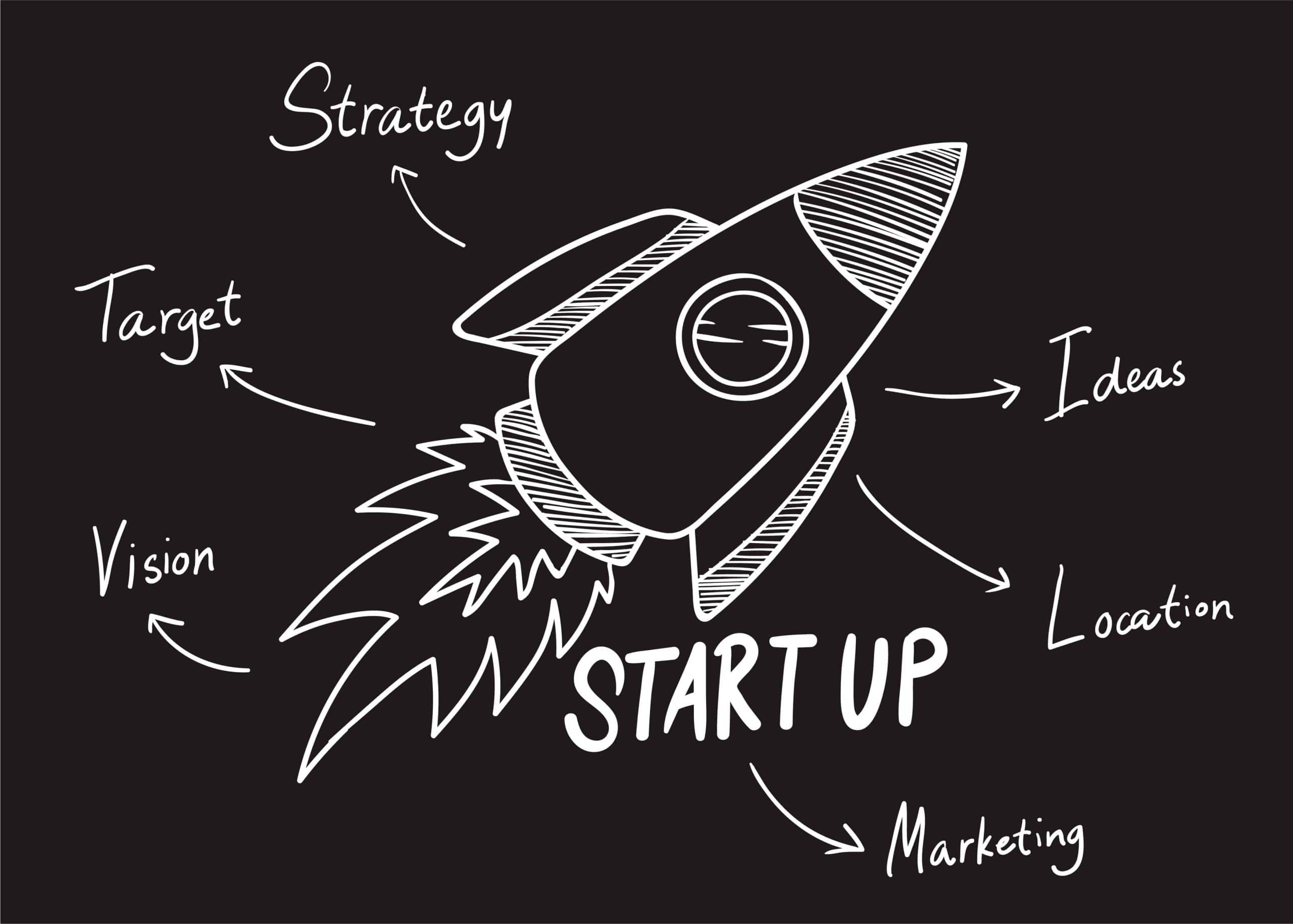
In recent years, the term startup has gained great relevance in the world of entrepreneurship and technology. These emerging companies have revolutionized various sectors, betting on innovation and scalability to achieve rapid growth. However, what really sets a startup apart from a traditional company? What are its most common business models? How can you build a startup successfully, and what funding sources are available for its development?
In this article, we will explore in depth what a startup is, its main characteristics, the stages of its development, the different business models, funding options, and examples of successful startups. We will also cover the Startup Law in Spain and its impact on the entrepreneurial ecosystem.
What Is a Startup?
A startup is a newly created company characterized by its innovative approach and scalable business model. Unlike traditional businesses, its main goal is not only to generate revenue from the start, but to achieve rapid growth in the market. These emerging companies rely on new technologies to develop products or services that solve an existing need in an efficient and disruptive way.
Startups are usually driven by entrepreneurs who seek to transform industries through innovative business models. Creating one involves taking on high risk, but also great growth potential, since their technology-based foundation allows them to expand globally in a short time.
Differences Between a Startup and Other Types of Companies
Startups differ from SMEs and traditional companies in several key aspects. First, their business model is designed to be scalable, allowing them to reach more customers without proportionally increasing costs. In contrast, SMEs usually focus on a local market and their growth is more linear.
In addition, startups require high initial capital and depend on external funding sources such as business angels or venture capital, while SMEs are usually financed with their own funds or bank loans. They also operate in highly uncertain environments, where innovation is key to achieving success.
The Importance of Innovation and Technology in a Startup
Innovation is the fundamental pillar of any startup. They stand out by developing novel solutions, leveraging information technologies to optimize processes and create disruptive products. Their ability to adapt and use new technologies allows them to position themselves in competitive markets and expand rapidly on a global scale.
In addition, the intensive use of technology not only improves their services, but also makes it easier to collect information about customers and market trends. Thanks to this, they can make data-driven strategic decisions and continuously improve their business model to remain competitive in the digital world.

Main Characteristics of a Startup
Startups differ from other types of companies because of their ability to innovate, scale and optimize an online business quickly and adapt to a highly uncertain environment. Below are their main characteristics and how they influence success or failure.
1. Innovation: Technological Foundation and Development of Disruptive Solutions
Startups stand out for developing innovative solutions that transform the market. Their technological foundation allows them to optimize processes, reduce costs, and improve the customer experience. Innovation is the central axis of their business model, as they seek to generate a significant impact with unique products or services.
2. Scalability: How Their Scalable Business Model Allows Them to Grow Quickly
A startup is not only focused on creating a profitable business, but on designing a scalable business model. This means it can expand without proportionally increasing operating costs. Thanks to their focus on technology and digitalization, these newly created companies can reach a large number of customers without the need for major infrastructure investment.
3. High Uncertainty and Risk: Factors That Influence Success or Failure
Risk is a constant in the startup world, as they operate in highly uncertain environments. Lack of market validation, competition, and dependence on external investment are factors that can determine success or failure. To mitigate this risk, many startups apply the lean startup methodology, which allows them to adapt their business idea based on real market demand.
4. Rapid Expansion: Their Goal Is to Reach Global Markets in a Short Time
Unlike SMEs, whose growth is usually gradual, a startup has great growth potential in a short period. Their use of information and communication technologies allows them to operate in multiple regions with minimal costs. This expansion potential is what attracts investors such as business angels and venture capital funds, who seek high returns on their investment.
5. Intensive Use of Information and Communication Technologies
The use of technology is essential for a startup’s operations. From process automation to information analysis for strategic decision-making, these emerging companies depend on digitalization to optimize performance. The adoption of new technologies also allows them to develop more efficient products and improve the customer experience.
6. Customer Orientation: Focus on User Experience
Startups are not only looking to offer innovative solutions, but are fully focused on customer satisfaction. Through the collection and analysis of information, they adjust their products and services to better fit market needs. This user-centered approach allows them to differentiate themselves and strengthen their presence in highly competitive sectors.
The characteristics of a startup are essential to understanding how it works and its growth potential. Its ability to innovate, scale, and adapt to the market makes it a key part of modern entrepreneurship and a driver of transformation for the global economy.

Differences Between a Startup and an SME
Startups and SMEs are different business models that respond to different objectives and growth strategies. While an SME seeks stability and sustained profitability, a startup bets on innovation, scalability, and rapid market expansion.
1. Global Orientation vs. Local Focus
Startups are designed to operate in a global market from their earliest stages. Thanks to their scalable business model and use of technology, they can reach thousands of customers without the need for major physical infrastructure. In contrast, SMEs usually have a local or national focus, with more limited growth based on traditional markets.
2. The Importance of Innovation in Startups
Startups are distinguished by their high degree of innovation. These emerging companies create technological solutions to transform industries, often applying methodologies such as lean startup. In contrast, SMEs do not always prioritize innovation and may operate with more traditional and established business models.
3. External Funding vs. Self-Funding
Startups require large amounts of investment to scale quickly and usually depend on external capital. Investors such as business angels and venture capital funds contribute millions of euros to accelerate their growth. SMEs, on the other hand, usually self-finance or rely on bank loans, avoiding the dilution of ownership in the company.
4. Accelerated Growth Rate vs. More Linear Growth
Startup growth is exponential. In just a few years, they can reach global markets and multiply their value with strategic investments. In contrast, SMEs grow gradually and steadily, based on sustained profitability and customer loyalty.
Startups represent an alternative for entrepreneurs who want to transform the world with new business ideas. Their scalability and focus on technology make them key players in the evolution of the business ecosystem.

How to Build a Startup: Key Steps Every Founder Should Follow
Starting a startup requires planning, strategy, and well-structured execution. Below are the essential steps entrepreneurs should follow to bring their business idea to market and ensure its growth.
1. Define an Innovative Business Idea
The starting point for building a startup is having an idea that provides a novel solution to a market need. The idea must be viable, scalable, and have strong growth potential.
2. Market Research: Assessing the Viability of the Product or Service
Before developing the product, it is essential to analyze the market, identify the competition, and validate the interest of potential customers. This stage helps minimize risk and refine the value proposition.
3. Develop a Minimum Viable Product (MVP)
Following the lean startup methodology, you should create a minimum viable product that allows you to test the solution with the lowest possible cost and effort. Through testing and feedback, improvements can be made before launch.
4. Create a Business Plan: Key Elements of the Business Model
It is essential to structure a scalable business model that includes revenue, costs, and monetization strategies. In addition, you must define how to obtain capital, whether through venture capital, business angels, or other funding sources.
5. Team Building: The Importance of Talent and Human Resources
The success of a startup depends on having a multidisciplinary team with the qualities needed to develop the project. Talent selection is key to building an efficient and competitive organization.
6. Launch and Market Validation
Once the product has been optimized, it should be launched to the market and its performance evaluated through key metrics. It is important to make adjustments as information is gathered about customer behavior and business demand.
By following these steps, a newly created company can move through each stage until it becomes established in the market. The process requires commitment, investment, and constant adaptation to maximize its chances of success.
Startup Development Stages
A startup goes through different stages, from the creation of the idea to its consolidation in the market. Each stage presents challenges and requires specific strategies to ensure growth and sustainability.
1. Pre-Seed Stage: Concept Development and Initial Market Research
In this first stage, entrepreneurs work on defining their business idea and validating its viability. The market is researched, customer needs are identified, and a scalable business model is proposed. This stage is essential to reduce risk and lay the foundations for a successful product.
2. Seed Stage: Creating the MVP and First Customer Tests
Here, the minimum viable product is developed, an initial version of the product or service that allows its market acceptance to be tested. Funding sources such as business angels or equity funding are sought to finance the company’s first steps.
3. Early Stage: Product Adjustment Based on Feedback
At this stage, the startup optimizes its product based on customer feedback. Continuous improvement practices are applied and the business model is adjusted to achieve a better market fit.
4. Growth Stage: Expansion and Search for More Investment
Once the startup has validated its idea, it is time to scale. More investment is sought from institutional investors and processes are optimized to reach more customers. Growth often requires injections of millions of euros to expand operations.
5. Scalability and Consolidation Stage
The business is already profitable and sustainable. Strategies are established to maintain market leadership, diversify services, and strengthen the internal organization. At this stage, many companies seek strategic partnerships or international expansion.
6. Exit Stage: Options for Sale, Merger, or IPO
In this final stage, investors seek to recover their investment. The startup may choose to be acquired by a larger company, merge with another, or go public to raise more capital.
Each stage is crucial in the lifecycle of a startup. Adaptability and the ability to innovate are key to achieving success in a highly competitive environment.

Startup Business Models
Startups can adopt different business models depending on their focus and sector. Each of these models allows for a flexible creation adapted to market needs, ensuring a scalable and sustainable business model.
1. Marketplace: Connecting Supply and Demand
This model acts as an intermediary between buyers and sellers. Companies like Amazon and Airbnb have managed to raise millions of euros by facilitating transactions between people without needing to own inventory themselves.
2. SaaS (Software as a Service): Cloud Applications
Startups operating under this model offer digital services accessible from the web or mobile devices. Examples such as Dropbox and Slack allow entrepreneurs to pay for software use according to their needs, optimizing costs.
3. E-commerce: Direct Online Retail
This model is based on the direct sale of products through digital platforms. Startups like Shopify have transformed the way companies sell online, eliminating intermediaries.
4. Freemium: Free Model with Premium Options
It offers a basic free service with paid advanced features. Examples such as Spotify and Canva have generated revenue by attracting many people with free access and converting some of them into paying customers.
5. Subscription Platforms: Recurring Content or Services
This model generates recurring revenue through subscriptions. Startups like Netflix have perfected this concept, providing continuous access to their products in exchange for a monthly fee.
Each term and model represents a key activity in digital entrepreneurship. Investors look for startups with the greatest growth and scalability potential, ensuring higher profitability in the market.
Funding Sources for Startups
Access to capital is essential for a startup to launch its business model and achieve sustainable growth. There are various forms of financing depending on the needs and stage of the newly created company.
1. Bootstrapping: Self-Funding with Own Resources
This is the most commonly used option in the initial stage. Entrepreneurs invest their own funds to develop their project without relying on external investors, which allows them to maintain full control of the business.
2. Business Angels: Individual Investors Who Bet on Startups
These are people with entrepreneurial experience who invest in high-potential startups in exchange for equity in the company. They usually contribute not only money, but also knowledge and strategic connections.
3. Venture Capital: Early-Stage Investment Funds
Venture capital funds finance growing companies with a scalable business model. They provide large sums of money in exchange for equity and expect to obtain significant returns in the long term.
4. Equity Funding: Selling Shares in Exchange for Capital
This method allows the startup to raise capital by selling shares of the company to investors interested in becoming part of the project.
5. Crowdfunding: Collaborative Financing
Through digital platforms, many people can contribute small investments to fund a startup in exchange for rewards or equity.
6. Incubators and Accelerators: Structured Support with Mentorship and Funding
Startup incubators and accelerators are organizations that support entrepreneurs by offering mentorship, workspace, and, in some cases, access to capital to boost their growth.
Each funding option has advantages and challenges. Choosing the right one will depend on the stage of the project and the startup’s goals in the market.

Startup Law in Spain
Spain has established a specific legal framework for startups with the aim of encouraging entrepreneurship, attracting investment, and facilitating the activity of these companies. The regulation introduces tax benefits and measures that promote access to capital and international expansion.
1. Legal Definition of a Startup Under Spanish Law
According to the law, a startup is a newly created company with a scalable business model, based on innovation and less than five years old (seven in strategic sectors). It must have its headquarters in Spain, must not have distributed dividends, and must have a turnover below ten million euros. In addition, it must be independent from larger companies.
2. Tax Incentives and Benefits for Entrepreneurs
The law introduces tax incentives for entrepreneurs and investors, such as reducing corporate tax from 25% to 15% during the first four years in which the startup makes a profit. It also improves personal income tax deductions for investment in startups and simplifies the bureaucratic procedures for creating one.
3. Regulations on Foreign Investment and Venture Capital
To boost access to capital, the law facilitates the entry of foreign investors by removing tax and bureaucratic barriers. It also promotes the role of venture capital funds and simplifies taxation for stock options, allowing startups to attract and retain key talent.
This regulation positions Spain as an attractive ecosystem for startups, offering better conditions for their creation and development in the global market.

Conclusion: The Impact of Startups on the Digital Economy and Innovation
Startups have revolutionized the digital economy and innovation, becoming a key driver for the development of new businesses. Their ability to adopt a scalable business model allows them to grow quickly and adapt to market changes. Unlike other companies, a startup is not only seeking profitability, but also global impact, which makes them fundamental in sectors such as e-commerce, technology, and online services.
For entrepreneurs who want to launch their own newly created company, it is essential to focus on an activity with high growth potential, validate their idea in the market, and make sure they have the capital needed to drive development. In addition, understanding the concept of continuous innovation and taking advantage of digital tools can make the difference between success and failure.
The startup ecosystem continues to expand, offering unique opportunities for those looking to start a business in the digital space. At Moaflip, we have online businesses with great potential to become successful startups. If you are looking for an opportunity to start a business, explore our options here: Buy a website on Moaflip.