What Recommerce Is and Why It Is Revolutionizing E-commerce and the Circular Economy
Recommerce is a rapidly growing trend within e-commerce, driven by changing consumer behavior toward more responsible and sustainable consumption. This business model consists of buying and selling second-hand products through online platforms, offering sales

The recommerce is a rapidly growing trend within e-commerce, driven by changing consumer behavior toward more responsible and sustainable consumption. This business model consists of buying and selling second-hand products through online platforms, offering advantages for both businesses and customers. In addition to reducing waste and extending product lifecycles, it helps save money and minimize environmental impact. In this article, we explore what recommerce is and how it can be integrated into digital businesses such as Amazon FBA or FBM.
What Is Recommerce and How Does It Work?
Recommerce is a business model based on buying and selling second-hand products through e-commerce. This concept combines the rise of conscious consumption with technology, allowing consumers and businesses to exchange used products in good condition through various digital platforms.
Unlike other forms of commerce, recommerce does not only involve selling products, but also reusing them, extending their useful life and reducing waste. In this way, it becomes a solution with a positive impact on both the environment and customers' wallets.
There are three types of recommerce: C2C (consumer to consumer), B2C (business to consumer), and B2B (business to business). The most active sectors include clothing, technology, and books, although the model can be applied to a wide variety of items.
With its growing demand, recommerce is positioning itself as one of the key ecommerce trends in the new e-commerce ecosystem.
Benefits of Recommerce for Businesses and Consumers
For consumers:
- Access to second-hand products at lower prices without sacrificing quality.
- It encourages more conscious consumption aligned with personal values.
- It reduces waste and the carbon footprint by reusing existing items.
- Lower environmental impact thanks to extending product lifecycles.
- The possibility of saving money while accessing more responsible purchasing options.
For businesses:
- Improved brand positioning by adopting sustainable practices.
- New revenue streams through the sale of refurbished or returned products.
- Greater loyalty from customers committed to the environment.
- Differentiation in an increasingly competitive market.
- Adapting the business model to a trend with strong growth and an ecological focus.
- Boosting commerce through platforms focused on sustainability.
Amazon FBA and Recommerce: Key Indicators for Evaluating Performance
Recommerce is increasingly being integrated into models such as Amazon FBA and FBM within ecommerce. This business model enables the sale of second-hand products through optimized logistics processes, offering new options for both sellers and buyers.
On Amazon, recommerce is mainly applied to returned, refurbished, or slightly defective items. To evaluate its success, it is essential to analyze a series of key performance indicators (KPIs) that help understand the model's impact on the business and know how to choose the right products.
Among the most important KPIs are:
- Number of returns handled, which measures the efficiency of the reverse logistics process.
- Reverse logistics and storage costs.
- Average margin per item, essential for calculating profitability.
- Total inventory value of second-hand products.
- Inventory turnover time, a key demand indicator.
- Buyer satisfaction level, a direct reflection of service quality.
These data make it possible to focus on the model's viability, optimize resource use, and adapt strategies. Ultimately, recommerce not only creates new opportunities, but can transform the way companies manage their operations in e-commerce.

Global Trends and Growth of Recommerce
Recommerce is experiencing unprecedented growth worldwide. According to Coresight Research, this model has grown up to five times faster than traditional retail, especially in sectors such as clothing and technology. In the United States, annual growth in fashion recommerce exceeds 13%, while in Europe its adoption is accelerating thanks to consumers' environmental awareness.
This trend is driven by changing consumer behavior, as people seek a more ethical and sustainable way of consuming. Generation Z, in particular, is leading this transformation, showing a strong preference for resale platforms that allow the purchase of second-hand products with a lower environmental impact.
Recommerce not only gives a new life to already manufactured items, but also represents an opportunity within the spectrum of profitable digital businesses that is solid and scalable. Its ability to adapt to different sectors and respond to the demand for responsible options makes it a model with a future focus.
With more and more platforms and companies joining in, recommerce is establishing itself as one of the practices with the greatest potential within global e-commerce.

How to Implement a Recommerce Model in Your Online Store
1. Define the recommerce process
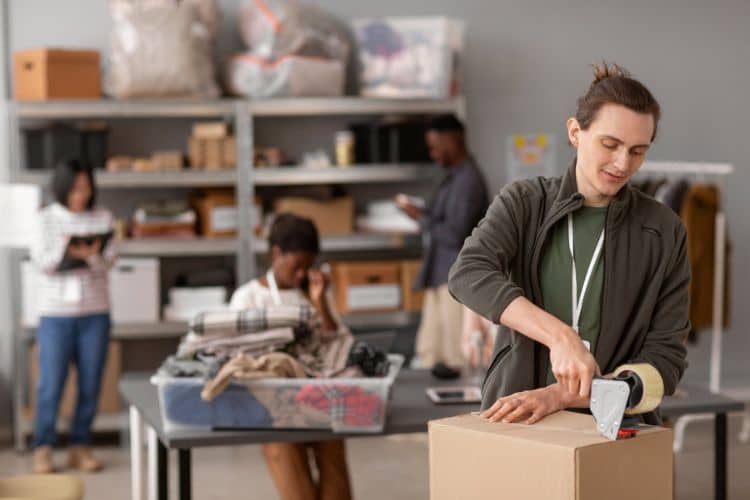
The first step to implementing a recommerce model is to structure the process: collecting second-hand or returned products, classifying them by condition and type, and reselling them through your online store or specialized ecommerce platforms . This flow must be efficient and transparent.
2. Establish warranties and quality control
Offering basic warranties and carrying out quality checks builds trust with users. These actions improve your brand perception and reduce the risk of returns, ensuring a positive shopping experience.
3. Rely on platforms and logistics tools
Use specialized platforms and software to manage inventory, reverse shipping, and customer service. These tools are key to operating efficiently and scaling your business without losing effectiveness.
4. Communicate your commitment to sustainability
Storytelling is essential to connect with people who value responsible consumption. Explain your store's role in reducing waste and extending the use of goods, highlighting your sustainable approach.
5. Explore new growth opportunities
Recommerce is not only a trend, but also a profitable and responsible way to innovate within today's ecommerce.

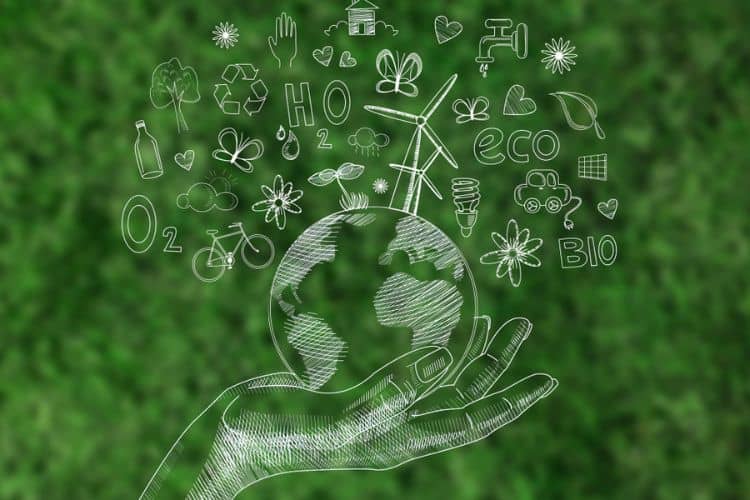
The Impact of Recommerce on the Environment and the Circular Economy
1. Waste reduction and longer product lifecycles
Recommerce actively helps reduce waste generation by extending the useful life of goods that would otherwise end up discarded. Thanks to this model, many products get a second chance, reducing the need to constantly manufacture new items.
2. Lower production of new products
By reusing existing products, the demand for raw materials and intensive manufacturing is reduced. This not only lowers energy consumption, but also the impact on the environment, creating a more sustainable model in the long term.
3. Boosting the circular economy
Recommerce is a pillar of the circular economy, based on reusing, repairing, and recycling instead of discarding. This practice transforms the traditional linear model into a more efficient one, where each product has more than one useful life.
4. The union of sustainability, technology, and innovation
The success of recommerce is based on the combination of sustainable values, technological tools, and new business models. This integration allows consumers and businesses to act more responsibly in a world that demands conscious solutions and practices that also help optimize and scale an online business.

Recommerce and Digital Business: An Opportunity You Can't Ignore
Recommerce represents much more than a passing trend: it is a model with a real and positive impact on consumption, the environment, and the way we understand digital business. By reintroducing products and goods into the market, unnecessary production is reduced, resources are optimized, and progress is made toward a more conscious and sustainable economy.
From a business perspective, its application in models such as Amazon FBA or FBM offers a strategic opportunity. It allows you to diversify your catalog, connect with environmentally conscious consumers, and generate new revenue streams without having to constantly invest in new products.
In a world where profitability must go hand in hand with responsibility, recommerce emerges as an effective way to generate economic and environmental value at the same time. For digital entrepreneurs, adopting this practice can mean not only saving money, but also building a brand aligned with the values of the future.
It is the ideal time to incorporate recommerce as part of a long-term strategy and lead the shift toward a more sustainable and efficient ecommerce.