How to Use the Loss Leader Strategy to Grow Your Business
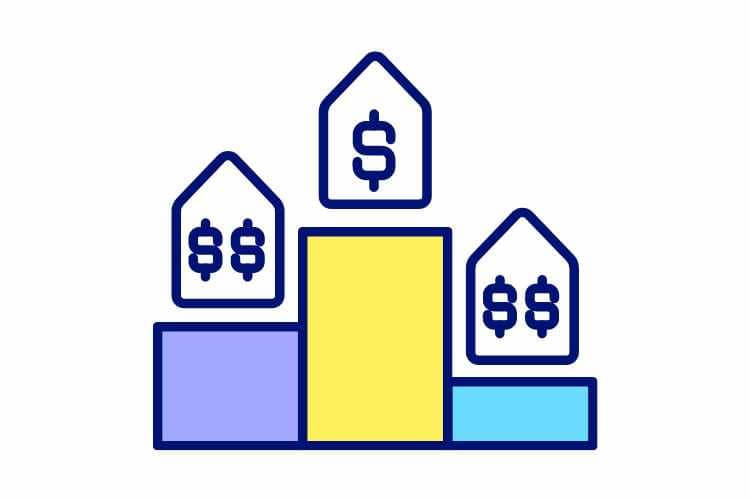
A loss leader is an item, product, or service offered by a business whose assigned price represents the smallest percentage profit margin it earns relative to its sale, although it is also associated with a value that is significantly below its acquisition cost
Discover how you can grow your business by using a loss leader pricing strategy, or loss leader by its English name. Drawing on examples of companies and industries that have succeeded with this strategy, we will show you the steps to implement it so you can make the most of the loss leader pricing strategy and grow your business in the competitive world of e-commerce.
What Is the Loss Leader Pricing Strategy?
The loss leader pricing strategy is a tactic used by businesses to attract consumers by offering a product at a very low price or even below cost. The idea behind this strategy is to capture buyers' attention and draw them into the business, hoping that once inside, they will purchase other products with higher profit margins. In other words, immediate profit is sacrificed on a particular product (the loss leader) with the expectation of making money on other related products or services.
Advantages of the Loss Leader Pricing Strategy
Attracts Customers and Generates Traffic
By offering a product at a very attractive price, businesses can capture consumers' attention and draw them to your business. This can generate a significant increase in traffic to your website or physical store, which in turn increases sales opportunities and promotes brand awareness.
Increase in Sales and Market Share
The loss leader pricing strategy can lead to an increase in sales, as consumers are more likely to buy a product when they perceive they are getting a bargain. In addition, by capturing buyers' attention, businesses can increase their market share and gain more customers.
Customer Retention and Loyalty Generation
When customers try a high-quality product at an attractive price, they are more likely to develop a trusting relationship with the company. This can lead to long-term customer loyalty and repeat purchases in the future.
Opportunity for Cross-Selling and Increasing Average Order Value
Once customers are inside your online store or website, you have the opportunity to promote and sell other complementary products or services. By offering products related to the loss leader at regular prices, you can increase the average order value per customer and maximize your overall profits.
Successful Examples of Companies and Industries Using the Strategy
Example 1: E-Commerce Giant
A notable example of a company that has successfully implemented the loss leader pricing strategy is the e-commerce giant Amazon. They often offer popular tech products, such as tablets or smart devices, at considerably low prices. This attracts a large number of buyers interested in getting a unique and exclusive deal. Once customers are inside the Amazon ecosystem, they are more likely to make additional purchases and become repeat customers.
Example 2: Technology Industry
Amazon applied these pricing strategies with the Kindle, offering this product at very low prices or even below production cost in order to attract consumers and encourage the purchase of other related products or services.
The idea behind this strategy was to capture consumers' attention and create a loyal customer base for the Kindle brand. Although Amazon initially incurred losses by selling the devices at such low prices, it expected to recover those losses through the sale of e-books and other digital content for the Kindle. By promoting Kindle adoption, Amazon sought to build a digital reading ecosystem in which users would buy books and magazines exclusively through its platform, thereby generating long-term benefits.
Thanks to this strategy, Amazon managed to expand the e-book market and consolidate its position as a leader in the industry. In addition, the Kindle became an iconic Amazon device and a key tool for driving sales of other company products and services.
Steps to Implement the Loss Leader Pricing Strategy in Your E-Commerce Business
Step 1: Identify Loss Leader Products
- Conduct a detailed analysis of your profit margins and costs to identify which products you can offer as loss leaders.
- Choose products that are attractive to consumers and have high demand in the market.
Step 2: Set Loss Leader Prices
- Set the selling price below the product's cost to create an attractive offer.
- Clearly communicate the discount and highlight the value buyers are getting.
Step 3: Promote the Loss Leader Offer
- Use effective marketing strategies, such as online advertising, email marketing, or influencer marketing, to promote the loss leader offer and generate interest among consumers.
- Take advantage of the power of social media to spread the offer and generate virality.
Step 4: Optimize Results and Measure Success
- Track key metrics such as website traffic, sales generated, and average order value per customer.
- Make adjustments to your strategies based on the results obtained and continuously look for ways to improve and optimize the implementation of the loss leader pricing strategy in your business.
Conclusion
In summary, the loss leader pricing strategy can be a very powerful tool for growing your e-commerce business. Through attracting customers, increasing sales, and generating loyalty, this strategy has proven successful in numerous industries. By following the steps outlined above, you will be able to implement this strategy in your own business and start seeing benefits. Don't miss the opportunity to use this tactic to stand out from the competition and grow your business effectively.
If you feel ready to sell your business or simply want a free valuation, take a look at our website valuation tool. It will only take a couple of minutes and will give you an idea of the kind of price we could sell your website or digital business for.