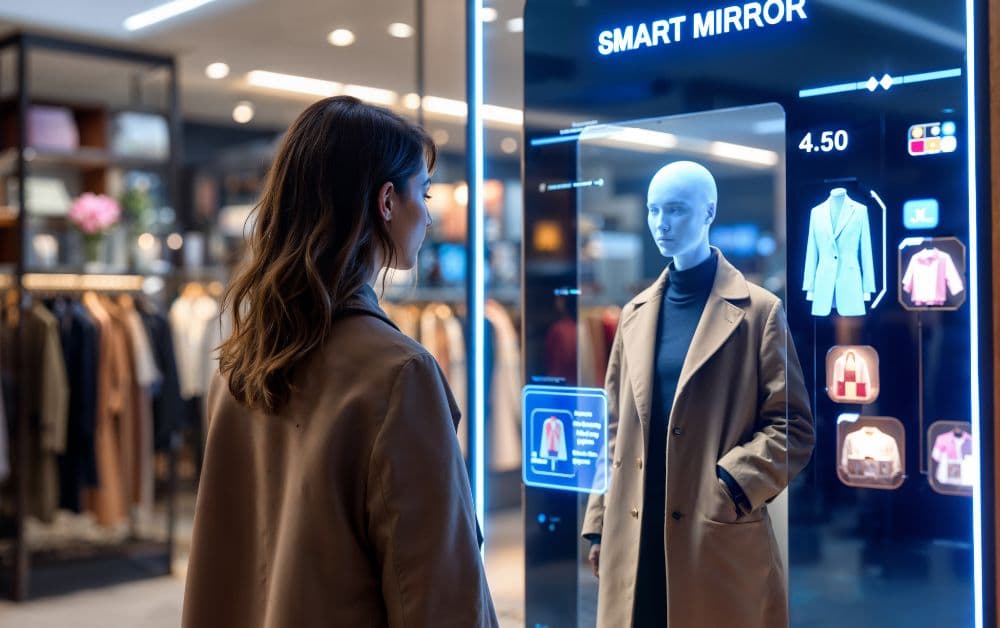
Live Shopping: How to Leverage This Trend to Boost Sales and Improve the Shopping Experience
Live shopping has become one of the biggest trends in e-commerce, revolutionizing the way brands present their products and connect with their customers. Through live broadcasts, companies combine entertainment and shopping in a single shopping experience, allowing consumers to
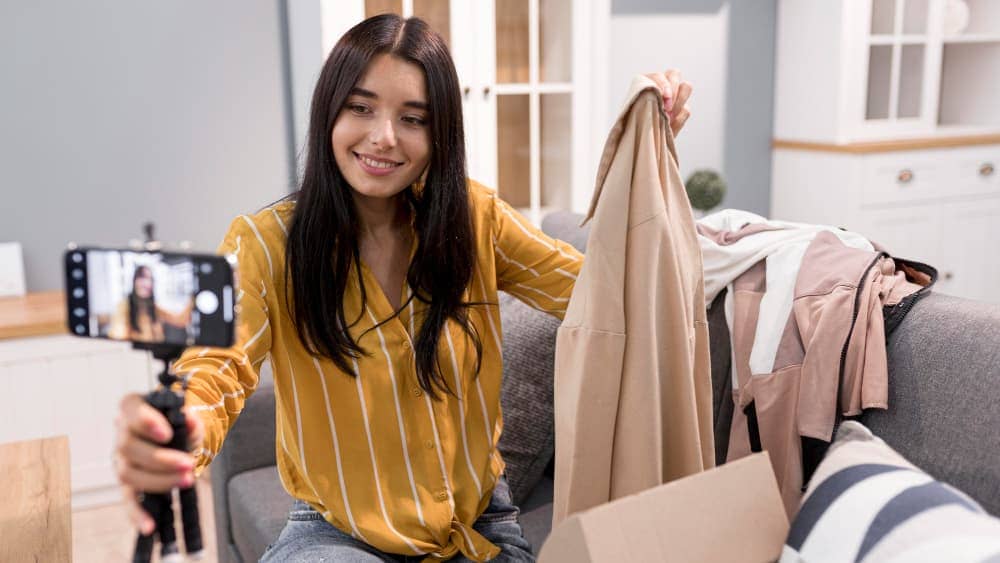
Live shopping has become one of the biggest trends in e-commerce, revolutionizing the way brands present their products and connect with their customers. Through live broadcasts, companies combine entertainment and shopping in a single shopping experience, allowing consumers to interact in real time and purchase products immediately.
This live commerce format offers a unique opportunity to improve conversion, build a loyal audience, and strengthen digital marketing strategy across multiple platforms. With the rise of e-commerce and the growth of interactive content, understanding how to leverage live shopping events has become essential for any online store that wants to stand out in an increasingly competitive market.
In this article, you will discover what live shopping is, its main benefits, how to implement it effectively, and the trends shaping the future of live shopping.
What is live shopping and why is it transforming ecommerce?
Live shopping is an innovative shopping format that combines the dynamics of traditional e-commerce with the immediacy of live broadcasts. Also known as live commerce, it consists of live video streams where brands or influencers present products, interact with the audience in real time, and offer the possibility of making immediate purchases during the event.
Through social media platforms, websites, or specialized apps, brands create live shopping events that allow customers to learn about products, resolve doubts through live questions, and make purchasing decisions quickly and safely. This direct interaction creates a more personalized and emotional shopping experience, strengthening the connection between the brand and its consumer community.
Unlike traditional e-commerce, where shopping is usually a solitary and static process, live shopping brings dynamism, entertainment, and a sense of urgency that boosts conversion and sales. In addition, the possibility of taking part in exclusive events, accessing real-time discounts, and enjoying an interactive experience significantly increases user trust and engagement.
In an increasingly competitive e-commerce market, live shopping represents a powerful strategy to stand out, grow your audience, and offer a more human, social, and effective way to shop.
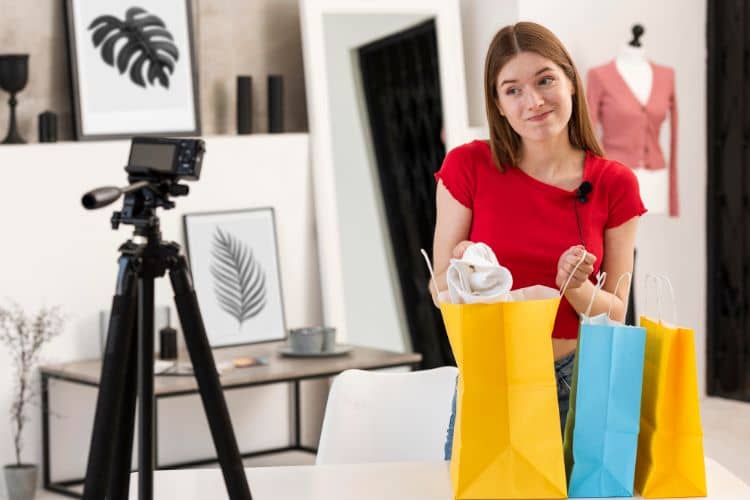
Benefits of live shopping for brands and online stores
Live shopping has established itself as one of the most effective strategies in today’s e-commerce. It combines live broadcasts with the ability to shop in real time, generating a direct impact on conversion, the shopping experience, and emotional connection with customers. Below, we explore the main advantages this trend offers brands and online stores.
Higher sales and conversion
Live shopping events allow brands to create an atmosphere of urgency that drives immediate purchases. According to various market studies, conversion rates in live broadcasts are significantly higher than in traditional e-commerce, reaching three or even four times higher in some sectors.
The combination of dynamic product presentations, special live offers, and active audience interaction increases purchase intent. In addition, the ability to answer questions in real time removes decision-making barriers, speeding up sales closure and improving store results.
Better shopping experience and customer connection
Live shopping transforms the shopping experience into something much more emotional and interactive. Consumers not only watch products, but actively participate in the broadcast through questions, comments, and live reactions, creating an authentic bond with the brand.
This human interaction creates a level of trust that is difficult to achieve through other digital channels. Seeing real people—whether employees, content creators, or influencers—showing and recommending products improves perceptions of quality, service, and closeness, all essential aspects for building a community of loyal customers.
Boosting digital marketing strategy
Incorporating live shopping events strengthens the digital marketing strategy of any ecommerce business. Each broadcast generates multiple content pieces: videos for social media, promotional clips, fragments for remarketing campaigns, and material to feed the blog or newsletters.
In addition, using platforms such as Facebook, Instagram, or your own website helps expand the audience and encourage participation from new users. Collaboration with influencers further boosts the visibility and credibility of events, making community building easier and increasing the impact in terms of branding and sales.
Live shopping is not only an innovative way to sell, but also a powerful marketing tool that drives growth potential and differentiation in a saturated market.
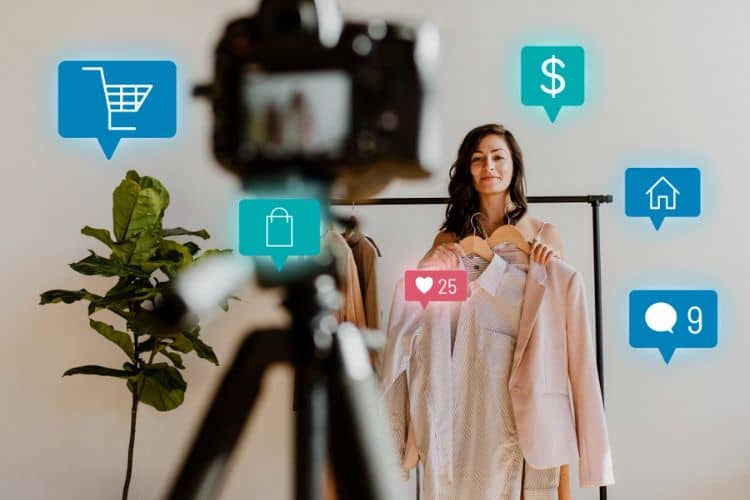
How to implement a live shopping strategy in your business
Live shopping represents a unique opportunity to transform the way brands connect with customers and drive sales. Implementing it effectively in an ecommerce business requires strategic planning, choosing the right platforms, and careful execution. Below, we show you the essential steps.
Event planning and production
Organizing a live shopping event begins with clearly defining objectives: increasing sales, improving the customer experience, or strengthening the community. It is crucial to select the products that best fit the real-time shopping dynamic and design a flexible script that allows interaction during the broadcast.
Production should include a team prepared to handle the live broadcast: hosts, moderators, and support technicians. In addition, it is important to use specialized high-quality streaming software that ensures a smooth, uninterrupted transmission. Team preparation and control of production elements—lights, sound, cameras—will make the difference in the quality of the event and the brand perception.
Choosing the right platforms and channels
Selecting the right platform is essential to maximize the event’s reach. Instagram Live, Facebook Live, and TikTok offer popular options for live broadcasts, while marketplaces and the store’s own website allow for a more personalized and controlled experience.
Each platform has its advantages: social networks boost virality and immediate interaction, while a proprietary website offers an exclusive branding space and full control over the purchasing process. Evaluating where your main audience is located is key to deciding where to hold your live shopping events.
Engagement: influencers and moderators
Including relevant influencers in your sector can multiply the audience and increase trust in your broadcast. Influencers act as brand ambassadors, generating credibility and energizing interaction during the event.
Likewise, having moderators who manage live questions, encourage participation, and keep the broadcast moving is essential to deliver an attractive shopping experience. The emotional connection created through direct contact with real people strengthens the bond with the audience and supports conversion.
Measuring results and optimization
A live shopping strategy does not end when the broadcast is over. It is essential to analyze the results to measure the event’s success and optimize future broadcasts. The main KPIs to evaluate include:
- Sales generated during and after the event.
- Number of questions asked in real time.
- Engagement rate (likes, comments, shares).
- Increase in followers and community growth.
- Overall engagement and return on investment (ROI).
This analysis will make it possible to adjust content elements, ecommerce platforms, influencers, and format to continuously improve the strategy and maximize the impact of each new broadcast.
Live shopping success stories: lessons for your ecommerce
Live shopping has revolutionized ecommerce across different sectors, and some brands are already leading the way with innovative strategies that combine live broadcasts, direct sales, and community building. Analyzing these success stories offers valuable lessons for small and medium-sized businesses looking to take advantage of this opportunity.
Sephora: beauty and real-time sales
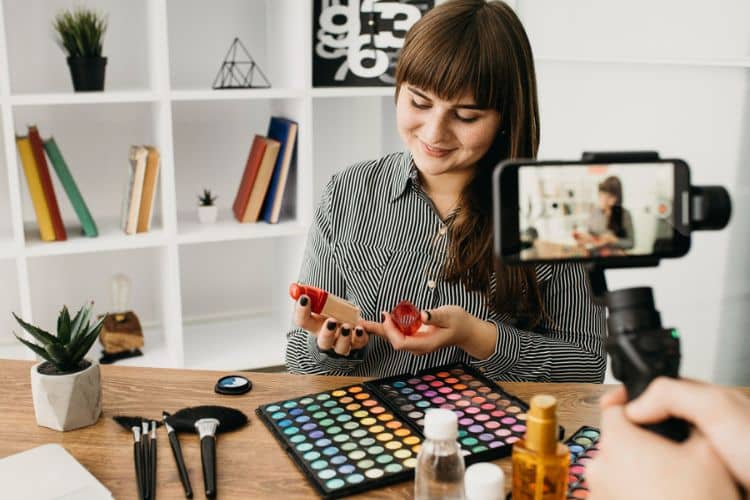
One of the pioneering brands in live shopping is Sephora, which has used streaming events on social media to present new beauty products. Thanks to live demonstrations and constant interaction with users, they significantly increased their real-time sales and improved the perception of their personalized service.
Nike: exclusivity and direct engagement
Another reference is Nike, which has integrated live broadcasts into its website to launch limited-edition products. The ability to buy directly through live videos, along with a well-thought-out engagement strategy, has helped strengthen the emotional bond with its most loyal customers.
Glow Recipe: closeness and community building
Smaller brands like Glow Recipe have also found live shopping to be a powerful way to connect with their audience. Through events on platforms such as Instagram Live, they have boosted sales by offering practical demonstrations, answering questions from people live, and building trust within their user community.
Key lesson for your ecommerce
The main lesson from these examples is clear: it does not matter how big the business is, but rather the ability to offer an authentic, interactive, and high-quality experience through live video. Adapting these practices to your sector can make all the difference in an increasingly competitive market.

Live shopping trends for the future
Live shopping continues to evolve rapidly and promises to redefine the future of ecommerce. Below, we highlight the main ecommerce trends that will shape the coming years:
Personalization with artificial intelligence (AI)
Generative AI will make it possible to adapt live broadcasts to each user’s interests, recommending personalized products in real time and improving service during the event.
Augmented reality applied to live shopping
Integrating augmented reality will allow consumers to visualize how products—such as clothing, accessories, or furniture—look before making a purchase, increasing confidence and reducing returns.
Interactive streaming and gamification
Live shopping will evolve toward events where users not only watch live videos, but also actively participate in polls, games, and giveaways, strengthening interaction and increasing engagement.
Expansion into new regions and sectors
Thanks to improved streaming software and the global appetite for personalized digital experiences, live shopping will grow in new markets within international ecommerce such as Latin America, Asia, and emerging sectors like food, education, and health.
Adapting to these innovations will allow brands to offer higher-quality live events, stand out in a constantly changing market, and generate new sales opportunities.
The rise of live shopping is redefining the way digital businesses present their products, offering shopping experiences that are much more dynamic, personalized, and close. Integrating live broadcasts, using specialized software, and offering high-quality service has become key to competing and growing in today’s market.

Turn every live broadcast into an opportunity to connect and grow
Taking advantage of the benefits of video, streaming, and direct interaction makes it possible to strengthen the connection with customers and significantly increase conversions.
Ready to take your business to the next level? Discover digital businesses on Moaflip already prepared to take advantage of the live shopping trend and grow in the new ecommerce ecosystem.