Hyperpersonalization in Ecommerce: How to Transform the Customer Experience with AI and Real-Time Data
Hyperpersonalization in ecommerce is revolutionizing the way companies connect with their customers in the e-commerce environment. This trend goes beyond simple personalization, using advanced technologies such as artificial intelligence (AI), data analytics, and machine learning

Hyperpersonalization in ecommerce is revolutionizing the way companies connect with their customers in the e-commerce environment. This trend goes beyond simple personalization, using advanced technologies such as artificial intelligence (AI), data analytics, and machine learning to tailor every shopping experience to the individual needs and preferences of consumers.
In an increasingly competitive ecommerce landscape, offering unique experiences based on real-time data not only improves the user experience, but also becomes a powerful strategy for differentiation and customer loyalty. Understanding this new paradigm is essential for brands looking to lead the digital market with truly customer-centric offerings.
What is hyperpersonalization in ecommerce
Hyperpersonalization represents a significant evolution from traditional personalization in ecommerce. While basic personalization is limited to actions such as showing the customer's name or a few generic product recommendations, hyperpersonalization is based on detailed analysis of user behavior, purchase history, and individual preferences, all in real time.
Thanks to technologies such as artificial intelligence and data analytics, brands can dynamically adapt content, suggested products, and the shopping experience to each consumer in a unique way. This approach allows companies to go beyond broad segmentation, responding to the customer's true needs at the precise moment.
In an e-commerce environment where competition is intense, hyperpersonalization has established itself as a key strategy for improving customer relationships, increasing loyalty, and maximizing the relevance of every interaction on the website.
Key benefits of hyperpersonalization
Improved shopping experience and loyalty
Hyperpersonalization allows brands to design unique experiences for each customer, based on their behavior, history, and preferences. Its ability to adapt not only improves the shopping experience, but also strengthens the emotional bond with consumers, which encourages loyalty. A customer who feels that a brand understands them is more likely to buy again.
Increase in conversion rate
One of the most immediate effects of a well-executed hyperpersonalization strategy is an increase in conversions. By presenting relevant products and offers at the right time, friction during the purchasing process is reduced, making it easier for shoppers to make faster and more effective decisions.
Alignment with consumer needs and preferences
Thanks to technologies such as artificial intelligence and data analytics, stores can anticipate and respond precisely to each customer's specific needs and preferences. This alignment raises the user's perception of value and optimizes marketing efforts.
Competitive advantage in the digital market
In a highly competitive ecommerce environment, hyperpersonalization has become a key differentiator. Companies that master this practice stand out by offering a more relevant, efficient, and customer-focused value proposition, positioning themselves as leaders within their market niche.

Enabling technologies
Artificial intelligence and data analytics
The implementation of hyperpersonalization in ecommerce would not be possible without the power of artificial intelligence (AI) and data analytics. These are technologies that make it possible to process large volumes of information in real time, identify consumer behavior patterns, and make automated decisions that improve the customer experience. inteligencia artificial (IA) y el análisis de datos. Son tecnologías que permiten procesar grandes volúmenes de información en tiempo real, identificar patrones de comportamiento del consumidor y tomar decisiones automatizadas que mejoran la experiencia del cliente.
Machine learning and personalized recommendations
Machine learning, a key branch of AI, is used to create accurate and dynamic product recommendations. Through continuous analysis of browsing history, website interactions, and previous purchases, stores can offer highly relevant products to each user.
Email automation and website personalization
Modern automation tools allow personalized emails to be sent efficiently, adapting their content to each customer's profile. Likewise, the website can adjust its content based on visitor behavior, showing products, offers, or messages specifically designed for that profile. herramientas modernas de automatización permiten enviar correos electrónicos personalizados de forma eficiente, adaptando su contenido al perfil de cada cliente. Asimismo, el sitio web puede ajustar su contenido en función del comportamiento del visitante, mostrando productos, ofertas o mensajes diseñados específicamente para ese perfil.
Practical strategies to implement hyperpersonalization
Advanced customer segmentation
One of the first steps to applying hyperpersonalization in ecommerce is to carry out detailed customer segmentation. Segmentation is based not only on demographic data, but also on the analysis of browsing behavior, website interactions, and purchasing decisions. With the help of AI, brands can create predictive profiles that make it possible to anticipate actions and needs.
Dynamic content and personalized offers
The content displayed on the website should adapt to each shopper based on their individual preferences. This includes banners, featured products, and messages that directly respond to their history and previous searches. In addition, personalized offers based on specific interests increase conversion and loyalty.
Real-time personalization
Thanks to artificial intelligence and real-time analytics, stores can modify the user experience the moment they browse the site. From the layout of the content to the activation of specific recommendations, everything is adjusted to meet consumer expectations.
Omnichannel strategies and social media
Hyperpersonalization is not limited to the website. Companies must also integrate their strategy across social media, email, and other marketing channels. Creating a consistent and personalized experience across all digital platforms ensures a deeper connection with consumers, generating opportunities for loyalty and long-term growth.

Ethical considerations and challenges
The implementation of hyperpersonalization in ecommerce must be accompanied by a firm commitment to ethics and user privacy protection. Companies and brands that handle large volumes of personal data must ensure its responsible, transparent, and secure use. This also means complying with regulations such as the GDPR, as well as informing consumers and obtaining their explicit consent on how their information is collected and used.
The use of technologies such as AI presents additional challenges, as it can process sensitive data in real time. Therefore, it is essential to establish clear limits, ensure a personalized experience without invading privacy, and maintain trust as the core of the online service.
Future trends
Hyperpersonalization is establishing itself as one of the key ecommerce trends, driven by the constant evolution of artificial intelligence and online service automation. More and more stores, including small and medium-sized ones, are incorporating these technologies to offer personalized experiences with greater precision and efficiency. tendencia ecommerce clave, impulsada por la evolución constante de la inteligencia artificial y la automatización del servicio en línea. Cada vez más tiendas, incluso pequeñas y medianas, están incorporando estas tecnologías para ofrecer experiencias personalizadas con mayor precisión y eficiencia.
The future points toward a more predictive use of data, where AI not only responds to user actions, but anticipates their needs. To adapt, stores must adopt scalable tools that allow hyperpersonalization to be implemented progressively and according to their capabilities. Its transformation represents a competitive advantage in a digital world where the customer expects to be understood at every touchpoint.
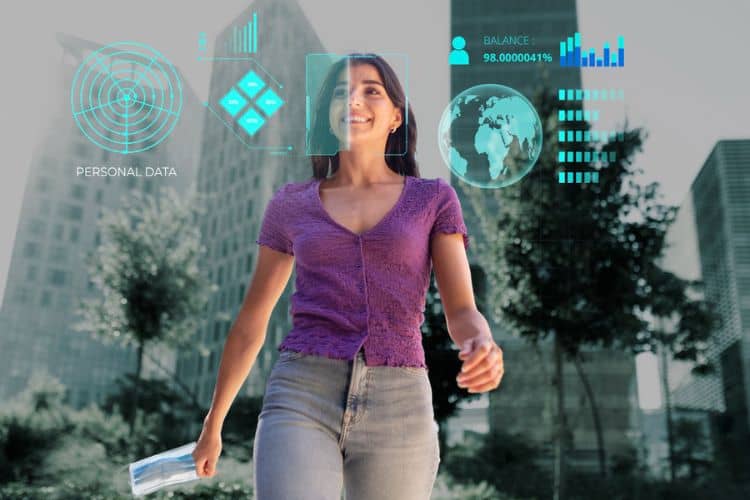
Hyperpersonalization: The competitive advantage that transforms digital businesses
Hyperpersonalization has established itself as an indispensable strategy in modern ecommerce, offering advantages such as greater loyalty, better conversion rates, and experiences tailored to each user. Driven by artificial intelligence, this trend transforms the way brands connect with their customers online.
If you're thinking about starting or scaling in the world of ecommerce, adopt this strategy from the beginning. Explore the available businesses on Moaflip and find your next personalized opportunity to grow in the digital environment. negocios disponibles en Moaflip y encuentra tu próxima oportunidad personalizada para crecer en el entorno digital.