Ecommerce Trends 2025: 6 Perspectives Redefining the Customer Experience
Ecommerce continues to evolve at a rapid pace, adapting to an increasingly demanding and connected consumer. Looking ahead to 2025, the e-commerce landscape is shaping up to be fertile ground for innovation, where technology, sustainability, and personalization will be the fundamental pillars for success.
Ecommerce continues to evolve at a rapid pace, adapting to an increasingly demanding and connected consumer. Looking ahead to 2025, the e-commerce landscape is shaping up to be fertile ground for innovation, where technology, sustainability, and personalization will be the fundamental pillars for success.
Consumer expectations have changed: they no longer settle for simple purchasing processes; they seek unique experiences aligned with their values and specific needs. In addition, competition in the digital market requires companies to adopt strategies that combine operational efficiency with creativity in their business models.
In this article, we will explore the main trends that will transform ecommerce in 2025. From hyper-personalization and autonomous shopping to the rise of hybrid and social commerce, we will break down how these innovations will redefine the way we buy and sell in an increasingly dynamic and global environment.
Get ready to discover how these trends are not only changing the present of e-commerce, but also laying the foundations for its future. Adapt your business today to stand out tomorrow!
1. Technological transformations: The future is already here
Technology remains the main driver of ecommerce, marking a before and after in the way companies interact with consumers. Artificial intelligence and augmented reality stand out as key tools for transforming the shopping experience.
a) Artificial intelligence and personalization
Artificial intelligence is revolutionizing the ecommerce landscape by offering hyper-personalized experiences and optimizing essential processes. One of the main ecommerce trends for 2025 is the use of AI to analyze large volumes of data and predict consumer behavior. It allows brands to anticipate customer needs and offer real-time recommendations, increasing the shopping experience and conversions. inteligencia artificial está revolucionando el panorama del ecommerce al ofrecer experiencias hiperpersonalizadas y optimizar procesos esenciales. Una de las principales tendencias de ecommerce 2025 es el uso de la IA para analizar grandes volúmenes de datos y predecir el comportamiento de los consumidores. Permite a las marcas anticiparse a las necesidades de sus clientes y ofrecer recomendaciones en tiempo real, aumentando la experiencia de compra y las conversiones.
Smart assistants like Rufus, recently launched by Amazon, exemplify how technology is facilitating more intuitive interaction with users. Rufus enables searches using natural language, simplifying product exploration and selection. On the other hand, advanced chatbots, available 24/7, are improving customer service with immediate and personalized responses, contributing to satisfaction and loyalty. chatbots avanzados, disponibles las 24 horas, están mejorando la atención al cliente con respuestas inmediatas y personalizadas, contribuyendo a la satisfacción y fidelización.
For companies, implementing AI not only improves the relationship with customers, but also optimizes the business by automating repetitive tasks and reducing costs. This approach not only meets consumer expectations, but also positions brands as leaders in innovation. optimiza el negocio, automatizando tareas repetitivas y reduciendo costes. Dicho enfoque no solo responde a las expectativas de los consumidores, sino que posiciona a las marcas como líderes en innovación.
b) Augmented and virtual reality
Augmented and virtual reality are redefining the way consumers interact with products online. These technologies allow users to visualize items in their physical environments before making a purchase, improving confidence and reducing returns. A notable example is IKEA, which with its augmented reality tool allows customers to see how furniture would look in their homes. interactúan con los productos online. Se trata de tecnologías que permiten a los usuarios visualizar artículos en sus entornos físicos antes de realizar una compra, mejorando la confianza y reduciendo devoluciones. Un ejemplo destacado es IKEA, que con su herramienta de realidad aumentada permite a los clientes ver cómo quedarían los muebles en sus hogares.
In addition, brands like Ray-Ban have implemented this technology so consumers can virtually try on glasses, increasing engagement and sales. The ability to experience the product in a tangible way without leaving home is transforming ecommerce platforms and differentiating brands in a competitive market. experimentar el producto de forma tangible sin salir de casa está transformando las plataformas de ecommerce y diferenciando a las marcas en un mercado competitivo.
This not only improves the shopping experience, but also opens up new opportunities for stores and sectors looking to innovate. Artificial intelligence and augmented reality are examples of how technological tools are setting the pace of ecommerce, creating more human and effective experiences in a digital environment.

2. Evolution in business models
The evolution of ecommerce is marked by innovations in business models that prioritize interaction, sustainability, and loyalty. Formats such as live shopping, social commerce, and subscriptions are transforming how brands connect with consumers.
a) Live shopping and voice commerce
Live shopping and voice commerce are two of the most dynamic trends in ecommerce. They allow users to interact with products in real time, increasing trust and sales. In live shopping, platforms like TikTok integrate live visual content with calls to action that direct users to purchase pages. In this way, it streamlines the process and improves the user experience. dos de las tendencias más dinámicas en ecommerce. Permiten a los usuarios interactuar en tiempo real con productos, incrementando la confianza y las ventas. En el live shopping, plataformas como TikTok integran contenido visual en directo con llamadas a la acción que dirigen a las páginas de compra. De este modo, agiliza el proceso y mejora la experiencia del usuario.
On the other hand, voice commerce, powered by assistants like Alexa, allows consumers to search and shop using voice commands. These tools not only optimize navigation, but also open new channels for brands looking to expand their reach. comercio por voz, impulsado por asistentes como Alexa, permite a los consumidores realizar búsquedas y compras usando comandos de voz. Dichas herramientas no solo optimizan la navegación, sino que también abren nuevos canales para marcas que buscan expandir su alcance.
Both strategies improve the shopping experience, creating a more personal connection with consumers and increasing conversions.
b) Social commerce
Social networks have become interactive showcases that integrate direct sales. Platforms like Instagram and TikTok Shop allow brands to connect with consumers through engaging and relevant content. This approach fosters trust, especially when users generate content that validates product quality. Instagram y TikTok Shop permiten a las marcas conectar con los consumidores a través de contenido atractivo y relevante. Este enfoque fomenta la confianza, especialmente cuando los usuarios generan contenido que valida la calidad de los productos.
Social commerce enables a smooth and accessible shopping experience, removing barriers between consumers and products. This model is especially effective for sectors looking to expand into global digital markets.
c) Subscriptions and buyback
Subscription models offer customers the convenience of receiving products regularly, fostering loyalty. In addition, practices such as buyback and recycling are gaining ground as sustainable solutions. Examples like IKEA's buyback programs not only reduce environmental impact, but also strengthen customer loyalty. recompra y el reciclaje están ganando terreno como soluciones sostenibles. Ejemplos como los programas de recompra de IKEA no solo reducen el impacto ambiental, sino que también refuerzan la lealtad de los clientes.
The integration of these models not only benefits the environment, but also positions brands as responsible leaders in a competitive market. All of these formats represent a significant shift in the relationship between brands and consumers, ensuring more personalized, sustainable, and connected experiences. cambio significativo en la relación entre marcas y consumidores, asegurando experiencias más personalizadas, sostenibles y conectadas.

3. Sustainability as a driver of change
Sustainability has become a fundamental pillar for ecommerce, responding to consumer expectations and preparing for a more environmentally conscious future. From optimizing logistics to adopting biodegradable materials, brands are transforming their profitable digital business models to adapt to an increasingly demanding market. negocios digitales rentables para adaptarse a un mercado cada vez más exigente.
a) The impact of the "last mile" on the carbon footprint
The last mile, the final stage in the delivery process, is one of the areas with the greatest environmental impact in ecommerce. Companies are adopting solutions such as electric vehicle fleets, route optimization, and shared pickup points to reduce emissions. These practices not only reduce the carbon footprint, but also improve logistics efficiency and increase customer satisfaction.«última milla», el tramo final en el proceso de entrega, es una de las áreas con mayor impacto ambiental en el ecommerce. Las empresas están adoptando soluciones como flotas de vehículos eléctricos, optimización de rutas y puntos de recogida compartidos para reducir emisiones. Las prácticas no solo disminuyen la huella de carbono, sino que también mejoran la eficiencia logística y aumentan la satisfacción de los clientes.
Brands that implement innovative technologies and greener processes are leading the change, adapting to market demands while reducing their impact on the environment.
b) Eco-friendly options: Biodegradable packaging and emissions offsetting
The use of biodegradable packaging and recyclable materials is another key trend. Consumers are increasingly looking for brands that adopt responsible measures in the production and delivery of products. Options such as offsetting carbon emissions during purchase or using reusable packaging not only build trust, but also position companies as sustainability leaders. medidas responsables en la producción y entrega de productos. Opciones como compensar las emisiones de carbono durante la compra o utilizar envases reutilizables no solo generan confianza, sino que también posicionan a las empresas como líderes en sostenibilidad.
These initiatives are shaping the future of ecommerce, where responsible decisions translate into higher levels of loyalty and market differentiation.
Example: IKEA and Patagonia leading with sustainable practices
Companies like IKEA and Patagonia are exemplary cases of how to integrate sustainability into the core of their business. IKEA, for example, has adopted the use of recycled and renewable materials in its products, while Patagonia promotes the repair and buyback of used clothing, fostering a circular economy.
The practices described not only strengthen customer loyalty, but also serve as role models for other brands looking to align their values with those of consumers. Sustainability is not just a passing trend, but a structural change in ecommerce that defines the path toward a more responsible and competitive market.

4. Omnichannel as a key strategy
Omnichannel is positioned as one of the fundamental strategies in ecommerce, integrating various channels to offer seamless experiences adapted to customer needs. It allows companies to optimize processes, improve satisfaction, and strengthen loyalty.
a) Hybrid commerce
Hybrid commerce combines the advantages of the physical and digital worlds, giving customers the flexibility to choose how they interact with products and services. Strategies such as pop-up stores and click and collect are key examples of this model, as they allow customers to enjoy the immediacy of physical shopping and the convenience of digital shopping. tiendas temporales y el click and collect son ejemplos clave de esta modalidad, ya que permiten a los clientes disfrutar de la inmediatez de las compras físicas y la comodidad de las digitales.
By adopting this model, companies can optimize inventory management and facilitate deliveries by reducing the distance between products and customers. The ability to start a purchase online and complete it at a physical location not only improves the shopping experience, but also strengthens the connection with consumers, who value flexible and practical options.
b) Unified cross-channel experience
Another key strategy within omnichannel is ensuring a unified experience, where all interaction channels are connected coherently. This includes synchronizing inventory between physical and digital stores, offering consistent payment methods, and ensuring that customers can access their purchase history regardless of the channel used. todos los canales de interacción estén conectados de manera coherente. Incluye sincronizar los inventarios entre la tienda física y digital, ofrecer métodos de pago consistentes y asegurar que el cliente pueda acceder a su historial de compras sin importar el canal utilizado.
The unified experience allows customers to move seamlessly between channels, from browsing products online to buying them in a physical store, or even returning them at a different location from where they were purchased. This reinforces trust and creates a perception of greater operational efficiency in the business. moverse sin interrupciones entre canales, desde buscar productos en línea hasta comprarlos en una tienda física, o incluso devolverlos en un punto distinto al de compra. Con ello refuerza la confianza y genera una percepción de mayor eficiencia operativa en el negocio.
Omnichannel is not limited to channel integration; it transforms the way companies relate to customers. Through strategies such as hybrid commerce and the unified experience, brands can adapt to a dynamic environment, offering solutions that combine flexibility, convenience, and personalization. flexibilidad, conveniencia y personalización.

5. The future of payments and logistics
The transformation of ecommerce is not only about the shopping experience, but also about the evolution of payment methods and logistics. These areas are adopting advanced technologies to offer greater security, personalization, and convenience to customers.
a) Flexible and secure payments
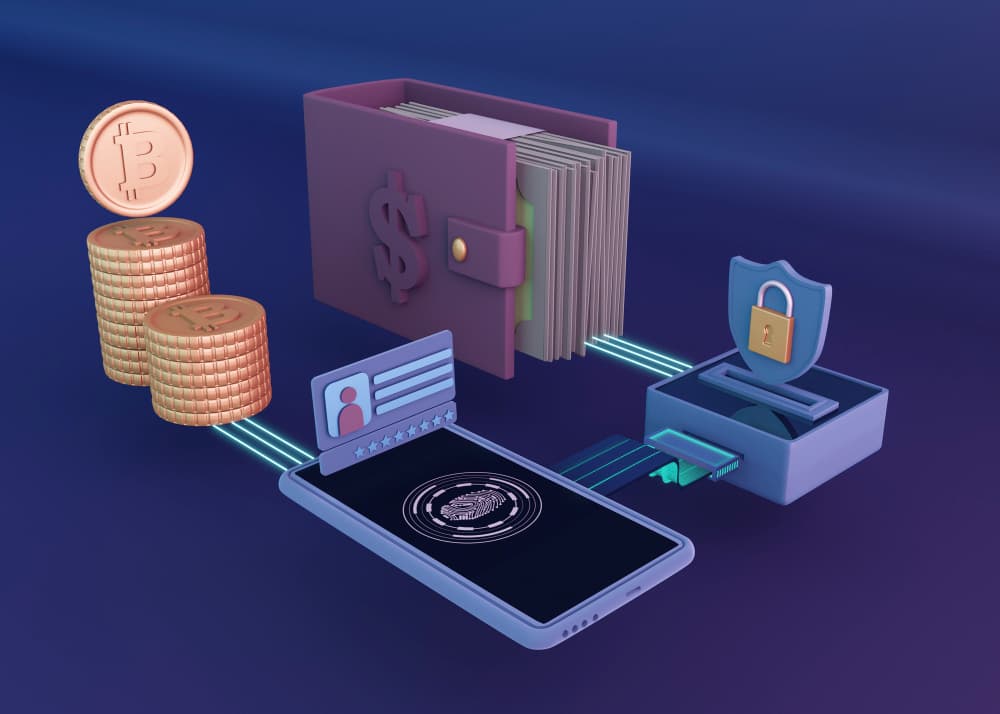
Payment methods in ecommerce are evolving to meet the demands of modern consumers. Trends include the incorporation of digital wallets and biometric payment systems, which offer a fast and secure experience. These options not only increase customer trust, but also simplify the purchasing process, enabling transactions from any device. incorporación de wallets digitales y sistemas de pago biométricos, que ofrecen una experiencia rápida y segura. Estas opciones no solo incrementan la confianza de los clientes, sino que también simplifican el proceso de compra, facilitando transacciones desde cualquier dispositivo.
Another key innovation is the rise of deferred payments, an option that allows customers to split the cost of their purchases into flexible installments. Doing so not only expands access to products and services, but also boosts sales by removing financial barriers. For companies, offering these solutions represents a competitive advantage in a dynamic market.
b) Advanced logistics
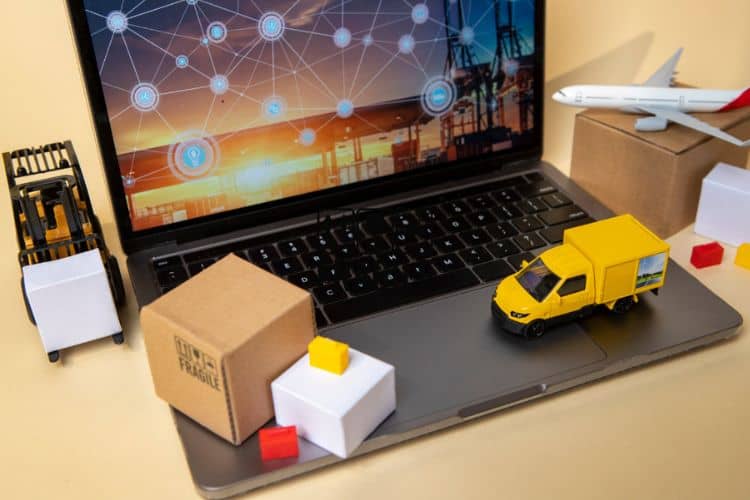
Logistics is being transformed through automation and personalization. Smart warehouses are integrating robots to manage inventory and process orders with greater speed and accuracy. In addition, drone deliveries are emerging as an innovative solution to reduce shipping times and operating costs. almacenes inteligentes están integrando robots para gestionar inventarios y procesar pedidos con mayor rapidez y precisión. Además, las entregas mediante drones están emergiendo como una solución innovadora para reducir tiempos de envío y costos operativos.
On the other hand, personalization in deliveries is gaining relevance. Customers value options such as selecting specific time slots, personalized pickup points, or even packaging adapted to their needs. These practices not only improve the experience, but also strengthen loyalty.
c) Autonomous shopping
Automation is reaching the end consumer through smart devices that make purchases automatically. Technologies such as connected refrigerators can analyze household inventory and restock products predictively, based on usage and customer data. Powerful systems not only simplify consumers' lives, but also allow companies to anticipate market demand.
The future of ecommerce is being defined by more flexible payments, advanced logistics, and shopping automation. These innovations not only optimize processes, but also redefine the relationship between companies and customers in a more agile and connected digital environment.
6. The importance of loyalty and the human touch
In an increasingly automated ecommerce environment, loyalty and the human touch are essential to building lasting customer relationships. Through strategies such as hyper-personalization and trust-building, companies can differentiate themselves and offer unique experiences that resonate with their consumers.
a) Hyper-personalization
Hyper-personalization is one of the main areas of focus that also had great resonance in the ecommerce trends of 2024, where data and artificial intelligence are used to tailor the experience to each customer's needs. Through behavioral and preference data analysis, companies can offer precise recommendations, products tailored to expectations, and customizable options that elevate the shopping experience. tendencias de ecommerce de 2024, donde los datos y la inteligencia artificial se utilizan para adaptar la experiencia a las necesidades de cada cliente. Mediante el análisis de datos de comportamiento y preferencias, las empresas pueden ofrecer recomendaciones precisas, productos ajustados a las expectativas y opciones personalizables que elevan la experiencia de compra.
For example, by analyzing purchasing patterns, a company can suggest complementary products, remind customers when to restock essential items, or adjust offers based on their interests. The ability to predict and meet needs not only drives sales, but also strengthens loyalty, as customers feel understood and valued. predecir y satisfacer necesidades no solo impulsa las ventas, sino que también refuerza la fidelización, ya que los clientes se sienten comprendidos y valorados.
In addition, hyper-personalization has a positive impact across various sectors, from fashion to technology, by allowing companies to adapt their strategies specifically to each market segment.
b) Building trust
Trust is a fundamental pillar in the relationship between brands and their customers. In an environment where data use is key to personalization, transparency becomes a requirement. Companies must clearly communicate how they manage data privacy, assuring consumers that their information is protected. la transparencia se convierte en un requisito. Las empresas deben comunicar de manera clara cómo gestionan la privacidad de los datos, asegurando a los consumidores que su información está protegida.
In addition, the balance between artificial intelligence and human contact is crucial. While AI optimizes processes and improves efficiency, human interactions provide empathy and a personal connection that machines cannot replicate. This hybrid approach not only improves the customer experience, but also increases sales by building long-term relationships based on trust.
Loyalty and the human touch are more important than ever in modern ecommerce. Strategies such as hyper-personalization and trust-building allow companies to stand out, offering unique experiences that strengthen the connection with customers and ensure their loyalty.

Conclusion: The challenge for 2025 is not to predict the future of ecommerce, but to build it
The future of ecommerce in 2025 will not only be defined by the trends already taking shape, but also by companies' ability to adapt to a constantly changing environment. Beyond implementing tools such as artificial intelligence or sustainable strategies, the real challenge lies in anticipating the needs of a consumer whose demands and behavior evolve at the pace of technology.
On the horizon, issues are emerging that go beyond technological innovation. For example, competition will no longer be based solely on who offers the best shopping experience, but on who manages to create integrated ecosystems that blend the physical and digital, the personal and the automated. Brands will need to balance process efficiency with the authenticity of human interactions, a particularly complex challenge in a globalized context where expectations vary across regions and sectors.
In addition, the growing focus on sustainability raises a critical question: how can we balance reducing environmental impact with the pressure to offer faster and more personalized deliveries? In a world where immediacy seems to be the norm, companies will need to innovate not only in advanced logistics, but also in practices that prioritize long-term impact over instant gratification.
On the other hand, the growing dependence on data and automation poses significant risks. How can we ensure that the massive use of data is ethical and transparent? Customer trust will be an increasingly fragile asset in a context where privacy is constantly at stake.
Finally, ecommerce in 2025 will be a field where technology, ethics, and sustainability converge, but not all companies will be prepared for this transformation. More than following trends, success will depend on a deep reflection on the role each business wants to play in an increasingly connected and conscious world. Adopting a critical and proactive vision will be key to leading a future where adaptability will be the true competitive advantage.